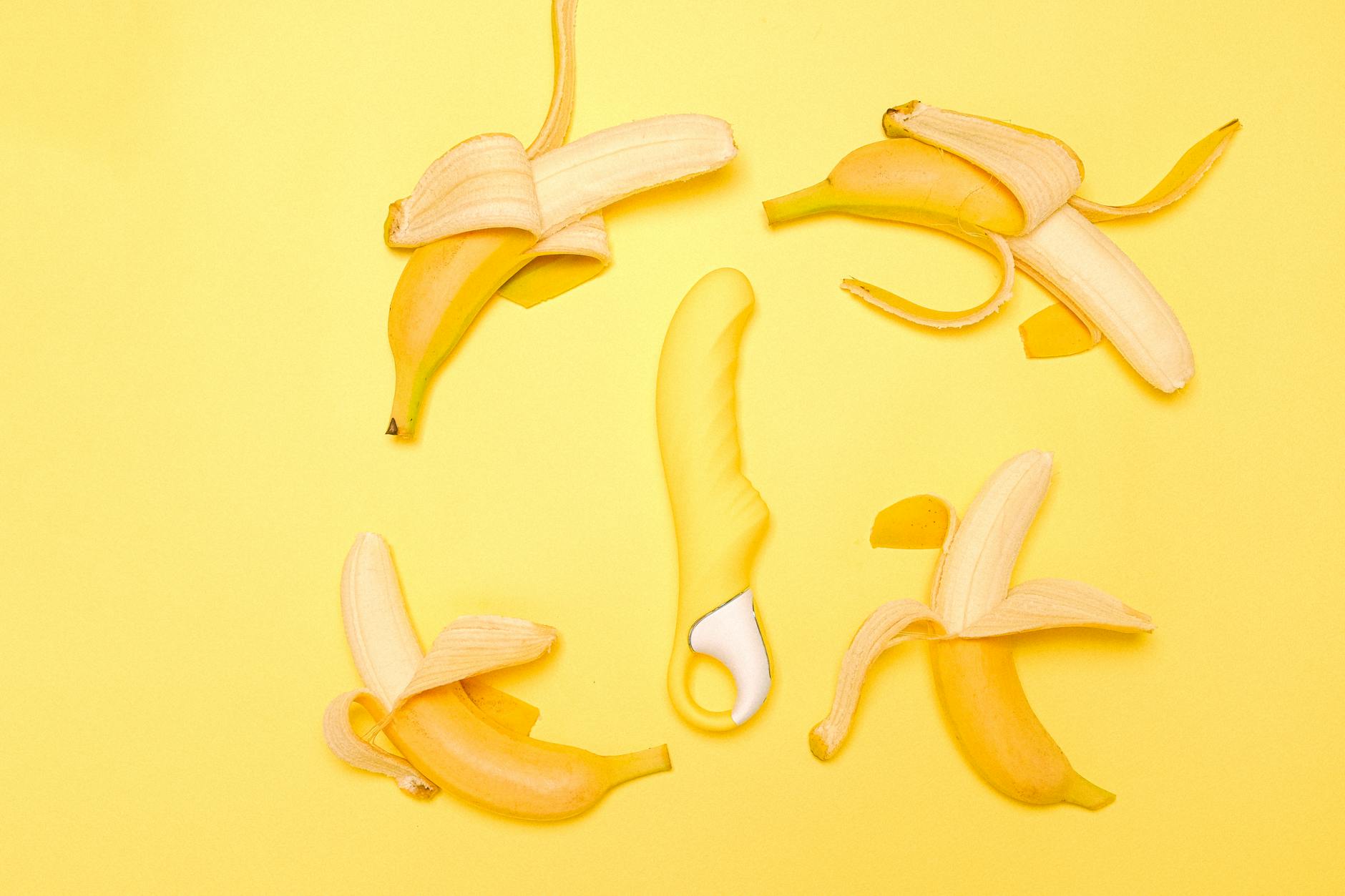
How Lemon Vibrators Help Rebuild Sensation After Chronic Illness
Chronic illness numbs pleasure. Here's how lemon clitoral vibrators can safely wake your body back up and restore the connection you thought you'd lost.
It's not just energy. It's not just mobility. Chronic illness quietly steals sensation. Your body becomes a place you're managing instead of inhabiting. Touch feels muted. Desire looks like someone else's idea of normal. And most people never talk about this part because there's no visible proof. You don't need a cast. But your relationship to pleasure has fundamentally shifted.
Here's what happens physiologically. Chronic pain conditions (fibromyalgia, long COVID, arthritis, EDS, chronic fatigue) trigger your nervous system to downregulate. Your body literally turns down the volume on sensation as a protective mechanism. If everything hurts, your nervous system learns to process less input overall. That includes pleasure.
Add medication into the picture. So many chronic illness treatments dull sensation as a side effect. Anticonvulsants, antihistamines, SSRIs, even pain medications themselves can flatten libido and clitoral responsiveness.
Then there's the psychological layer. Chronic illness grief is real. Your body broke the deal. It stopped doing what you expected. That betrayal lives in your nervous system, and it makes trust hard. Trusting your body with pleasure again feels risky.
The combination of all three (nervous system downregulation, medication side effects, and grief) creates a sensation desert. Pleasure doesn't disappear. It just becomes harder to access.
Traditional vibrators use sustained vibration. That's fine for some people. But after chronic illness, sustained vibration can feel overwhelming or numbing. Lemon vibrators work differently. They use gentle suction and rhythmic pulses. This stimulates the nerves without the kind of sustained pressure that can feel either too intense or invisible.
The mechanics matter here. When sensation is already dampened, you need a tool that creates clear, distinct feedback rather than a constant hum. The pulsing pattern of a lemon clitoral vibrator gives your nervous system something distinct to register. Each pulse is a micro-signal. Your brain can process that more easily than trying to feel the difference between one vibration speed and another.
There's also a gentleness to suction-based stimulation. You're not pushing into tissue. You're creating a light negative pressure that draws nerves toward the stimulus without friction. For people rebuilding sensation after illness, this feels safer. Your body doesn't perceive it as an assault. It perceives it as an invitation.
Here's the honest part. Pleasure after chronic illness isn't automatic. Your body doesn't just wake up because you bought a nice tool. You have to negotiate with it.
Start small. A lemon vibrator on the lowest setting, for five minutes. That's not a goal. That's a conversation starter. Pay attention to what you feel. Not whether it's "working." Whether it feels safe.
Many people with chronic illness report that their first sessions with a clitoral vibrator feel almost diagnostic. They're checking in. "Is this numb today? Overstimulated? Tingly? Warm?" Your body's response shifts. Some days sensation is there. Some days it isn't. That's normal. Chronic illness comes with inherent fluctuation.
The key is patience with fluctuation instead of fighting it. If Tuesday feels numb but Thursday feels awake, that's not failure. That's your body healing unevenly, which is how healing actually works.
If you're partnered, this is where things get complicated. Your partner might feel rejected because you're no longer interested in touch the way you used to be. They might blame themselves. You might feel guilty that your body changed. That dynamic needs untangling first.
Here's what works. Separate the conversation about sensation recovery from the conversation about your partnership. "I'm exploring how to reconnect with my own pleasure" is not the same conversation as "I want to reconnect with you." One is internal work. One is relational work. Trying to do both simultaneously is how couples end up with both conversations failing.
Introduce a lemon vibrator as a solo tool first. Let your body have its private conversation with sensation. Then, if and when you want your partner involved, you can bring them in from a place where you already understand what helps. They're not your rescuer. They're not supposed to fix your numbed sensation. They're there after you've started the work yourself.
This happens. Sometimes medication or illness severity has created such profound sensation loss that stimulation barely registers for weeks or months. That doesn't mean you've failed. It means you need more support.
Talk to your doctor about medication timing. Some anticonvulsants and SSRIs dull sensation more at peak levels. Can you adjust when you take them relative to when you're exploring pleasure? Sometimes a small shift helps.
Consider whether your nervous system is actually ready. Chronic illness means your body is managing a lot of stress. If you're in a flare, your nervous system is protecting you. Trying to access pleasure during protection mode feels impossible because it is. Wait for a calmer day.
If weeks pass and sensation still hasn't returned, it might be time to check in with a doctor who understands both chronic illness and sexual function. This is specialized territory, but specialists exist. Pelvic floor physical therapists, sex therapists trained in chronic illness, and some gynaecologists understand this intersection. You're not broken. You need someone fluent in both languages.
After months of numbness, pleasure can't be spontaneous at first. You have to schedule it. That sounds unromantic until you realize that scheduling is actually radical care. You're saying "my pleasure matters enough to protect space for it."
Set aside fifteen minutes when you're not in pain, when you've slept okay, when you have some energy. Dim the lights. Use lube. Set your lemon vibrator on pattern one or two. There's no goal. You're not trying to orgasm. You're listening. What does your body say today?
Some sessions will feel warm and tingly. Some will feel like nothing. Both are data. Over time, as you build this ritual, your nervous system learns that this is a safe place. Safe places are where sensation comes back.
Yes, but carefully. Fibromyalgia heightens sensation across the board, including stimulation. Start on the gentlest setting and go slower than you think you need to. Many people with fibromyalgia find that suction-based stimulation (which doesn't involve direct friction) feels gentler than traditional vibrators. That said, some people with fibromyalgia experience flare-ups from any kind of stimulation. Listen to your body's signals day by day.
A lemon vibrator can help. It won't override all medication side effects. But medications work in layers, and stimulation works in layers too. A gentle pulse that creates clear feedback might be distinct enough to reach your brain even under medication. If you suspect your meds are the primary blocker, ask your prescriber whether timing changes or dose adjustments are possible. Then use a lemon vibrator alongside those conversations.
This varies wildly. Some people feel a shift within weeks. Others take months. And some find that sensation doesn't return to baseline, but becomes a new normal that's actually enjoyable, just different. There's no timeline. The goal isn't to "get back to before." It's to build a relationship with sensation that works for your body now.
Completely. You might cry. You might feel grief come up alongside pleasure. That's your nervous system processing the loss and the return at the same time. That's healthy. Let it happen. Emotions are information, not failure.
Yes. Even if you're producing natural lubrication, extra lubrication reduces friction and pressure, which helps when your tissues are sensitive from illness or medications. Water-based lube is safe with any lemon vibrator. It reduces the intensity of stimulation just slightly, which is often exactly what you need when rebuilding sensation.
It depends on the type and location of nerve damage. Some people with neuropathy find that gentle suction-based stimulation (like a lemon vibrator offers) is actually easier to feel than the unpredictable zaps of their neuropathy. Others find any stimulation overwhelming. Start with the lowest setting and check in with yourself. If stimulation makes your neuropathy worse, stop. If it feels separate from the neuropathy, you might have found something that works.
Chronicillness takes so much. Permission to reclaim pleasure, slowly and on your own terms, is not selfish. It's one of the ways your body learns that it's safe again. That you inhabit it. That it's still capable of good things.
A lemon clitoral vibrator is just a tool. The real work is your willingness to listen to your body and show up for it even when it's changed. That's the part that matters. Start there.