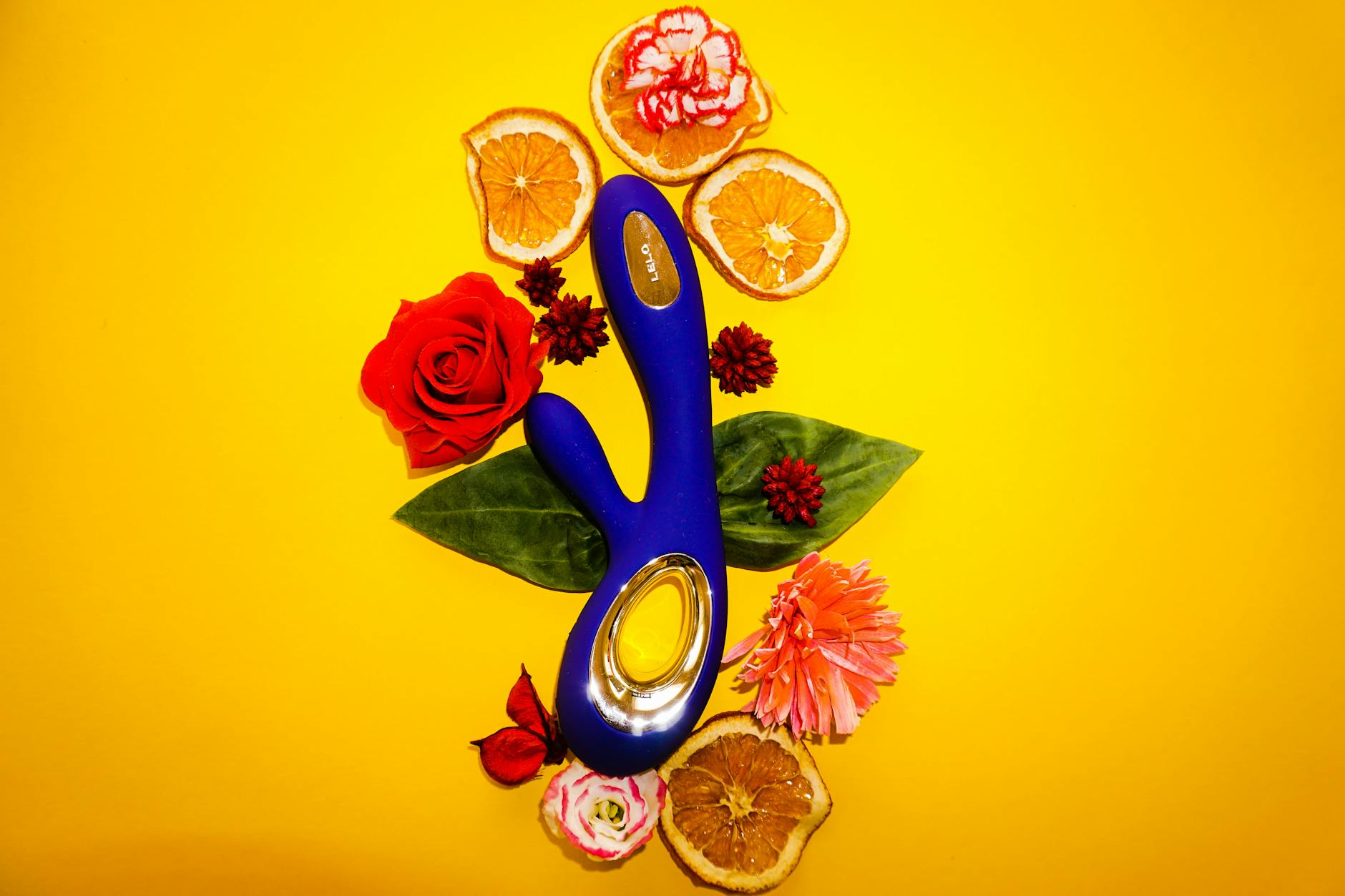
Your clitoris doesn't wear out. But the nerve sensitivity around it gets quieter with age. That's not failure. That's just aging. And it's one of the most fixable friction points in pleasure after 40, 50, 60 and beyond.
The problem isn't that you've lost the ability to feel good. The problem is that most people keep using the same tools and techniques that worked at 25, get frustrated when they don't deliver the same results, and assume they're broken. You're not. Your nervous system just needs different input now.
Three things shift in the tissue and nerves around your vulva over time.
First, the epidermis thins slightly. That outer layer of skin has fewer nerve endings closer to the surface, which means lighter touch registers less intensely. A feather stroke at 30 feels electric. At 55, it barely registers.
Second, blood flow to the genitals takes longer to ramp up. Arousal still happens, but the quickening isn't as immediate. You need more time in the foreplay phase before things really wake up.
Third, nerve conduction itself slows. Your nervous system is still there, still capable of complex sensation, but the speed at which signals travel from your clitoris to your brain and back again decreases incrementally. This is why repetitive, rhythmic stimulation (think: vibration) works better than variable pressure as you age.
None of this means pleasure is gone. It means your body is asking for something more specific. Lemon vibrators, particularly air-suction devices like the Lem, deliver exactly that specificity.
A conventional vibrator relies on direct mechanical friction against the clitoris. Your nerve endings register that vibration, but as sensitivity drops, you need either more intensity or more precision to feel it. Crank up a regular vibrator to maximum and you risk discomfort on tissue that's become more delicate.
Air-suction vibrators work differently. Instead of vibrating against tissue, they create a gentle seal and pulse air pressure around the clitoris. This stimulates the nerve clusters from multiple angles at once, essentially amplifying the signal your nervous system receives without increasing mechanical pressure.
Think of it like this. A regular vibrator is a single spotlight on stage. An air-suction vibrator is that spotlight plus ambient lighting plus uplighting. More of your sensory landscape is engaged, so the total signal is richer even though no individual component is more intense.
For people over 50 or anyone experiencing nerve sensitivity changes, this matters wildly. You get stronger sensation feedback without the rawness that can come from direct vibration on delicate tissue. That's not a compromise. That's an upgrade.
Using a lemon sexual toy for sensation rebuilding isn't intuitive at first because you're essentially retraining your nervous system. Here's the protocol that works.
Start with the lowest setting. Not because you're being cautious, but because you want to find the threshold where you actually feel something. That threshold is your baseline now, and everything builds from there. Use the Lem or similar lemon clitoral vibrator on setting one for at least three sessions before moving up.
Extend your warm-up time to 20-30 minutes. You're not rushing toward an orgasm. You're giving your circulatory system time to fill the clitoral tissues with blood, which makes nerve endings more responsive. This alone transforms what you can feel in the later part of a session.
Focus on pattern over raw intensity. Many air-suction vibrators have pulsing modes that mimic the rhythm of manual stimulation. These patterns often trigger more pleasure than constant vibration because they give your nervous system variation to detect. Variation is how nerves stay engaged.
Pay attention to angle. At 30, you could come from almost any approach to the clitoris. Aging often brings specificity. Some people find they need direct suction. Others need it slightly off to the side. You're not broken if you need to angle differently. You're tuned now.
Lubrication isn't just about comfort with a partner. It's about sensation. Thinner, drier tissue can feel overstimulated quickly. Adding a water-based lubricant creates a barrier that makes touch feel more diffuse and pleasurable rather than sharp.
Water-based lubes also make air-suction devices work better mechanifically. The seal needs a tiny bit of moisture to create proper suction, and the lube reduces friction that could feel unpleasant on delicate tissue.
Use it generously. There's no such thing as too much lube when you're rebuilding sensation. You're not trying to create friction. You're trying to create glide and comfort so your nervous system can focus on pleasure instead of protecting itself.
Here's what I see clinically over and over. The physical changes are real. But belief amplifies them.
If you believe your body is supposed to stop working at a certain age, your brain will cooperate. It will interpret neutral sensations as negative. It will tense your pelvic floor protectively. It will dial down arousal because it's primed to expect disappointment.
This is not a willpower thing. This is how nervous systems work. You have to actively counteract the cultural narrative that says sex gets worse with age.
The evidence says otherwise. Many of my clients report their best orgasms come after 50. Not in spite of aging. Because of the permission, the presence, the self-knowledge that comes with it.
Using lemon vibrators isn't just about mechanics. It's a vote. You're saying my pleasure matters now. You're saying my body is worth attention. You're saying aging isn't the end. That mindset shift matters more than the vibrator itself.
If you have a partner, this is a conversation, not a surprise. Tell them directly. "My sensation is changing with age. I want to use a lemon clitoral vibrator to explore what works now. I'd love to have you part of this, or I'm happy exploring solo first and then bringing you in."
Partner involvement can actually accelerate sensation rebuilding because you get the emotional connection plus the physical stimulation. Many couples find that rebuilding sensation together creates deeper intimacy than they've had in years.
What you're not doing is asking permission or apologizing. You're inviting collaboration on a body change that's normal and fixable.
Sensation changes can happen for reasons beyond age. Certain medications, blood pressure changes, unmanaged stress, and relationship dynamics can all dull sensitivity. If you're under 45 and experiencing a sudden shift, it's worth checking in with a doctor or therapist. If you're over 50 and it's gradual, it's almost certainly age-related and completely normal.
The point is to know the difference so you're not treating a relationship issue like a physical one or vice versa.
Not identical to what you had at 25, no. But you can build sensation that's just as pleasurable, often more so because it's specific to what your body actually needs now. Rebuilding sensation is like learning a new language. You're fluent in a different dialect, and it works perfectly well.
No, but they're the best option for most people over 50 because of how air-suction works. Traditional vibrators can work if you find the right intensity and pattern. Some people prefer wands that give broader surface stimulation. The point is to experiment and notice what your body actually responds to, not what you think it should respond to.
Most people notice shifts within 3-5 sessions of consistent use. Major changes can take 4-6 weeks because you're literally retraining your nervous system. Patience matters. You're not trying to force something. You're exploring.
Absolutely. Hands-free options or toys with wider handles become even more valuable. Some people use remote-controlled vibrators so a partner can control the input. Others use a harness. The tool should work for your body, not fight it.
Sometimes, yes. Some medications dim sensation temporarily, and rebuilding sensation the same way you would for age-related changes can help. But if it's medication-related, talk to your doctor about timing or alternatives before assuming you need to live with the change.
Completely normal. Your nervous system is older. It needs clearer signals. This doesn't mean anything is wrong. It means your body is asking for a different kind of input, and lemon clitoral vibrators are specifically designed to give you that input efficiently.
Sensation fades with age. Full stop. But pleasure doesn't. It transforms. You trade the explosive surprise of young nerves for the deep knowledge of an older body. You trade spontaneity for intention. You trade friction for precision.
Lemon vibrators, especially air-suction designs, let you meet your aging body exactly where it is and coax it toward sensation that's specific, real, and often more satisfying than what you felt before. That's not a second prize. That's the upgraded experience you've earned.