How Lemon Vibrators Work With Lubrication During Hormonal Changes
Your body's lubrication shifts with hormones. Here's exactly how suction-based clitoral vibrators adapt to those changes, and which lubricants actually work best with silicone toys.
Lubrication is not a backup plan. It's a variable that changes your entire experience with a clitoral vibrator, especially during hormonal shifts. Whether you're cycling through your menstrual cycle, on birth control, approaching menopause, or managing a health condition that affects natural lubrication, the interaction between your body and your toy changes. And that changes what you need from both the toy and the lube.
I work with couples and individuals navigating these shifts constantly. The honest part: most people assume their bodies are broken when really, their lube strategy just hasn't caught up with their hormones.
Estrogen thickens vaginal tissue and triggers fluid secretion. When estrogen is high (mid-cycle if you menstruate, or throughout if you're on hormonal birth control with a estrogen component), you naturally produce more lubrication. The tissue is plump and responsive.
When estrogen drops (right before your period, in the luteal phase, or during menopause), tissue thins slightly and natural lubrication decreases. This doesn't mean something is wrong. It means your body is in a different phase, and your approach needs to shift too.
Progesterone in the second half of your cycle can actually thicken secretions, but they're usually less slippery than estrogen-peak lubrication. If you're on a progestin-only birth control (the mini pill, certain implants), you might find your baseline lubrication is consistently lower.
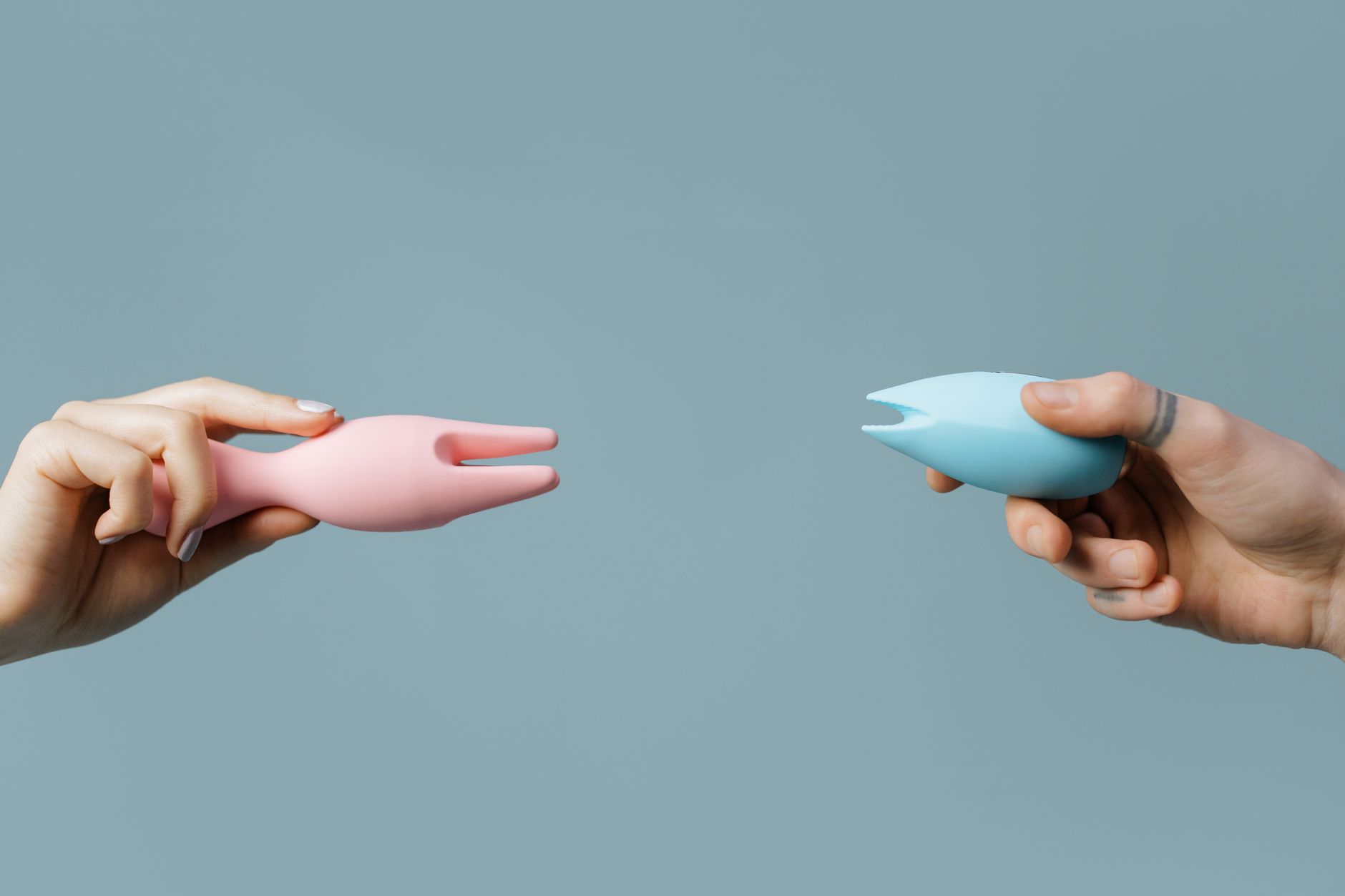
Lemon clitoral vibrators use suction and patterns, not just vibration. Suction creates a seal against your skin, which means the relationship between the toy, your tissue, and any lubricant you use matters more than with a traditional vibrator.
When you have abundant natural lubrication, a suction toy glides smoothly and the seal is easy to maintain. When lubrication is lower, that same toy can feel either more intense (because there's more direct tissue contact) or less responsive (because the seal is harder to hold without additional lube).
The key: lemon vibrators don't need lubrication to work. But they work better with it during low-lubrication phases, and they work differently depending on what kind of lube you use.
Water-based lubes are the safest choice for silicone toys like lemon clitoral vibrators. They won't degrade your toy, they wash off easily, and they're compatible with all barrier methods if you use them with a partner.
During high-lubrication phases of your cycle, you might not need additional lube at all. But during low phases, a water-based lube creates the glide and seal that makes suction toys feel responsive rather than grabby.
The trade-off: water-based lubes absorb into your skin and evaporate. That means reapplication every 10 to 15 minutes during longer sessions. If you're managing a medication side effect that tanked your arousal, or if you're exploring pleasure after a long dry spell, having to reapply can actually be a feature. It interrupts the session just enough to let you check in with yourself.
Silicone lubricants are slipperier, longer-lasting, and feel luxurious. They don't absorb into skin the way water-based lubes do. For a lot of people, especially those managing low lubrication from hormonal changes, medication side effects, or age, silicone lube feels more natural.
But here's the problem: silicone lube can damage silicone toys. Not immediately, not dramatically, but over time. Silicone lube breaks down the silicone toy's surface, causing pitting and degradation. It's not a dealbreaker if you occasionally use silicone lube on a silicone toy, but it's not ideal for regular use.
If you want the long-lasting slip of a silicone lube with a lemon vibrator, you have two options. First, use it sparingly and wash your toy thoroughly afterward. Second, switch to a hybrid lube, which combines silicone and water bases and tends to be gentler on silicone toys than pure silicone lube.
If you menstruate, your lubrication needs change every two weeks. Understanding your cycle helps you know when you might want to reach for lube even if you don't think you need it.
Follicular phase (first half of your cycle): Estrogen is rising. Your natural lubrication is usually abundant and you're naturally more aroused. Lube is optional. If you do use it, a light water-based lube is enough.
Ovulation window (mid-cycle, a few days around ovulation): Peak estrogen. Your lubrication is at its most abundant. This is often when people feel the most responsive to clitoral stimulation. Lube is rarely necessary.
Luteal phase (second half of your cycle): Estrogen drops, progesterone rises. You might notice lubrication becomes thicker but less abundant. This is when lube becomes genuinely helpful. Your body might need more warm-up time too.
Menstrual phase: Hormones drop. Tissue can feel tender. If you have penetrative sex or use toys during this phase, lube becomes important for comfort.
Hormonal birth control changes your baseline lubrication in ways that have nothing to do with your partner or your arousal. If you switch from a combined pill (estrogen and progestin) to a progestin-only method, or vice versa, your lubrication will shift. Same if you go off hormonal birth control entirely.
These changes are not immediate. Give your body 3 to 4 months on a new birth control method before assuming your lubrication baseline has stabilized. During that adjustment period, having water-based lube on hand means you're not guessing whether low lubrication is hormonal or something else.
I had a client who switched from a combined pill to the copper IUD and assumed her low arousal during that transition was relationship fatigue. Turned out, her baseline lubrication had shifted significantly, and adding lube to her routine with her lemon clitoral vibrator completely changed the experience. She wasn't broken. Her body just needed a different tool.
Many medications reduce natural lubrication as a side effect. SSRIs, antihistamines, hormonal birth control (sometimes), and even some blood pressure medications can lower your baseline lubrication and arousal.
If you're rebuilding pleasure after a medication changed your body's response, don't assume your own capacity for pleasure has changed permanently. It's often just lubrication. A good water-based lube with a clitoral vibrator like those from Shop Lemon Massagers can help you reconnect with sensation while you figure out whether the medication adjustment is temporary or whether you need to explore other options with your doctor.
The suction action of lemon vibrators actually works well in these scenarios because the toy is doing more of the work. You don't need as much natural arousal response to feel sensation. The lube bridges the gap.
If you're dealing with hormonal skin sensitivity (common in the luteal phase, or with certain birth control methods), not all lubricants feel good. Glycerin can irritate if you're prone to yeast infections. Parabens can irritate sensitive tissue. Petroleum-based lubes trap moisture.
Look for water-based lubes with minimal ingredients. Hyaluronic acid is actually soothing on sensitive tissue. Some water-based lubes include aloe vera or vitamin E, which is fine, but you don't need those extras. Simple is usually better.
Test any new lube on a small area of your inner arm first if you know your tissue is reactive. Your vulva deserves the same patch test you'd do anywhere else on your body.
This is where people get confused. You don't need a huge amount. With a suction-based toy like a lemon vibrator, a dime-sized amount on the toy's opening is usually enough to get the seal going. If you're finding you need to reapply every few minutes, you're either using too much (and it's washing away), or you're in a low-lubrication phase and need a lube that lasts longer.
Water-based lube works best when it's spread thin. Too much, and it becomes slippery in a way that breaks the seal instead of enabling it. Start small, add more if you need it, and reapply as your body absorbs it.
If you're going to keep lube on hand for different phases of your cycle or different seasons, storage affects quality. Most water-based lubes last 3 years unopened, but once opened, check for changes in color or smell. If it separates or smells off, toss it.
Store lubes away from direct sunlight and extreme heat. Bathroom cabinets are actually not ideal because of humidity from showers. A cool, dark drawer is better.
Coconut oil is not a great choice for silicone toys. It can degrade the silicone over time, similar to silicone-based lubricants. Stick to water-based or hybrid lubes if you want to preserve your toy. Coconut oil also traps moisture and can increase yeast infection risk if you're prone to them.
Yes. Many SSRIs and similar medications reduce natural lubrication and arousal as a side effect. This usually stabilizes after a few months, but not always. If it persists, talk to your prescriber about timing your dose or exploring alternatives. In the meantime, lube bridges the gap so you can still experience pleasure while you figure out the medication piece.
Completely normal. Progesterone in the luteal phase often reduces natural lubrication compared to the follicular phase. It's not a sign that something is wrong. Your body is just in a different hormonal environment. Planning ahead by having lube ready means you're not frustrated during the phase when you most need support.
You can use the same lubricant every day if it works for your body. Rotating isn't necessary unless you're dealing with irritation or if you want to experiment with how different lubes feel. Consistency is usually better than variety when you're rebuilding pleasure after a setback.
Hormonal changes affect not just lubrication production, but also tissue sensitivity and pH. The same lube might feel fine during your follicular phase and irritating during your luteal phase. This is normal. Consider keeping two lubes on hand: one for high-lubrication phases and one thinner, more soothing one for low phases. You can explore how lemon vibrators improve sensitivity after years of numbness for more on tissue sensitivity shifts.
No. Lubrication is external to the toy and doesn't affect battery life or the motor. What it does affect is how the suction seal works and how quickly you feel sensation. More or better lubrication can sometimes mean you reach orgasm faster, but that's about efficiency, not the toy's actual performance.
Lubrication is not a failure of your body. It's a variable that shifts with your hormones, your cycle, your medications, and your age. Understanding that shift means you can work with your body instead of against it.
A lemon clitoral vibrator paired with the right lubricant for your current hormonal phase is one of the most effective ways to rebuild or deepen pleasure when your body's natural response has shifted. You're not compensating. You're adapting.
If you're navigating these changes with a partner, the conversation is simpler when you separate the lubrication question from the arousal question. "I need lube during this phase of my cycle" is pure information. It's not about desire or attraction. It's biology. The sooner you both frame it that way, the sooner you both relax.
Your pleasure matters, even when your body is changing. Especially then. Reach out if you want to talk through how to navigate these shifts in your specific situation. Contact Shop Lemon Massagers and we can point you toward resources that fit your life.