How Lemon Vibrators Work When Partner Communication About Pleasure Feels Impossible
Your partner won't talk about sex. Here's how introducing a clitoral vibrator can actually crack open that conversation—and why avoiding it usually makes things worse.
Let's be real. If you're thinking about bringing a lemon vibrator into your partnership, there's a communication gap sitting underneath that thought. Maybe your partner shuts down when you mention pleasure. Maybe you've tried talking about it and it ended in defensiveness or silence. Maybe you're stuck in a loop where neither of you knows how to begin, so you both just pretend everything's fine.
Here's the thing: a vibrator won't fix broken communication, but it can be the bridge that makes conversation possible. And that's actually its superpower in relationships where talking about sex feels dangerous.
Most couples don't avoid talking about pleasure because they don't care. They avoid it because the vulnerability feels too risky. Sex talk taps into shame, rejection, performance anxiety, and decades of messaging that pleasure is either taboo or supposed to happen silently. Add a long-term partnership to that, and you've got two people who might be terrified that admitting "I want something different" means "I don't want you anymore."
Your partner might interpret a vibrator conversation as criticism. "You're saying I'm not enough." "You're saying I'm bad at this." Those aren't logical conclusions, but emotions aren't logical. They're protective.
My clients who've navigated this successfully tell me the same thing: the vibrator itself became permission to have the conversation. It wasn't about the tool. It was about having something tangible to point at that wasn't blame.
Timing matters. Don't bring this up during sex or right after. Don't lead with "I think we need to try this." That sounds prescriptive, like there's a problem to fix.
Instead, pick a calm moment outside the bedroom. Make it clear this is about exploration, not correction. Something like: "I've been curious about trying something new, and I'd like your input. Would you be open to exploring this together?" Notice what's not there: no comparison to them, no "I'm not getting what I need," no urgency.
If they push back immediately, don't argue. Ask what the hesitation is. Really listen. Sometimes it's embarrassment. Sometimes it's fear. Sometimes it's something neither of you has words for yet. The question itself is the opening.
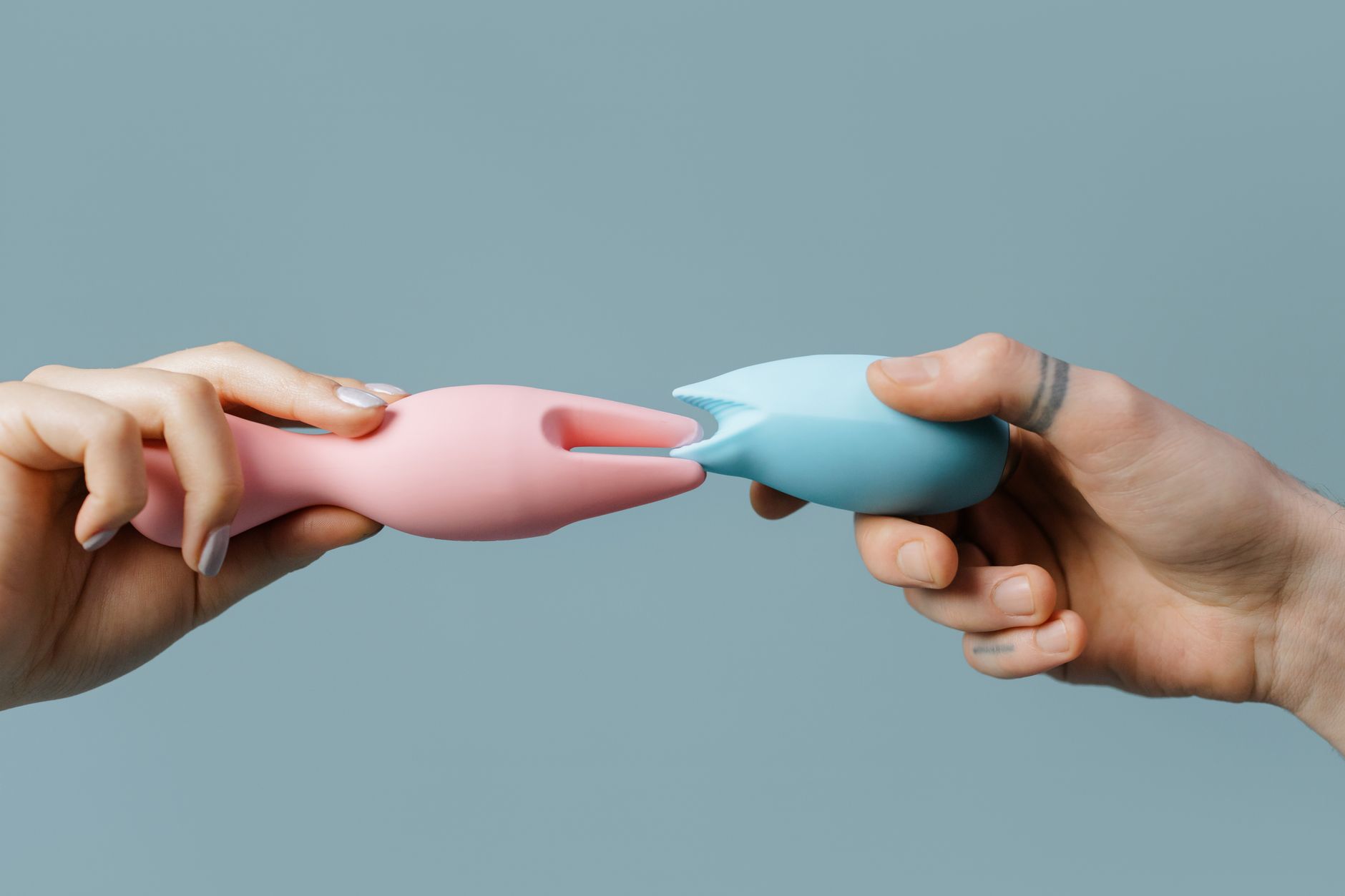
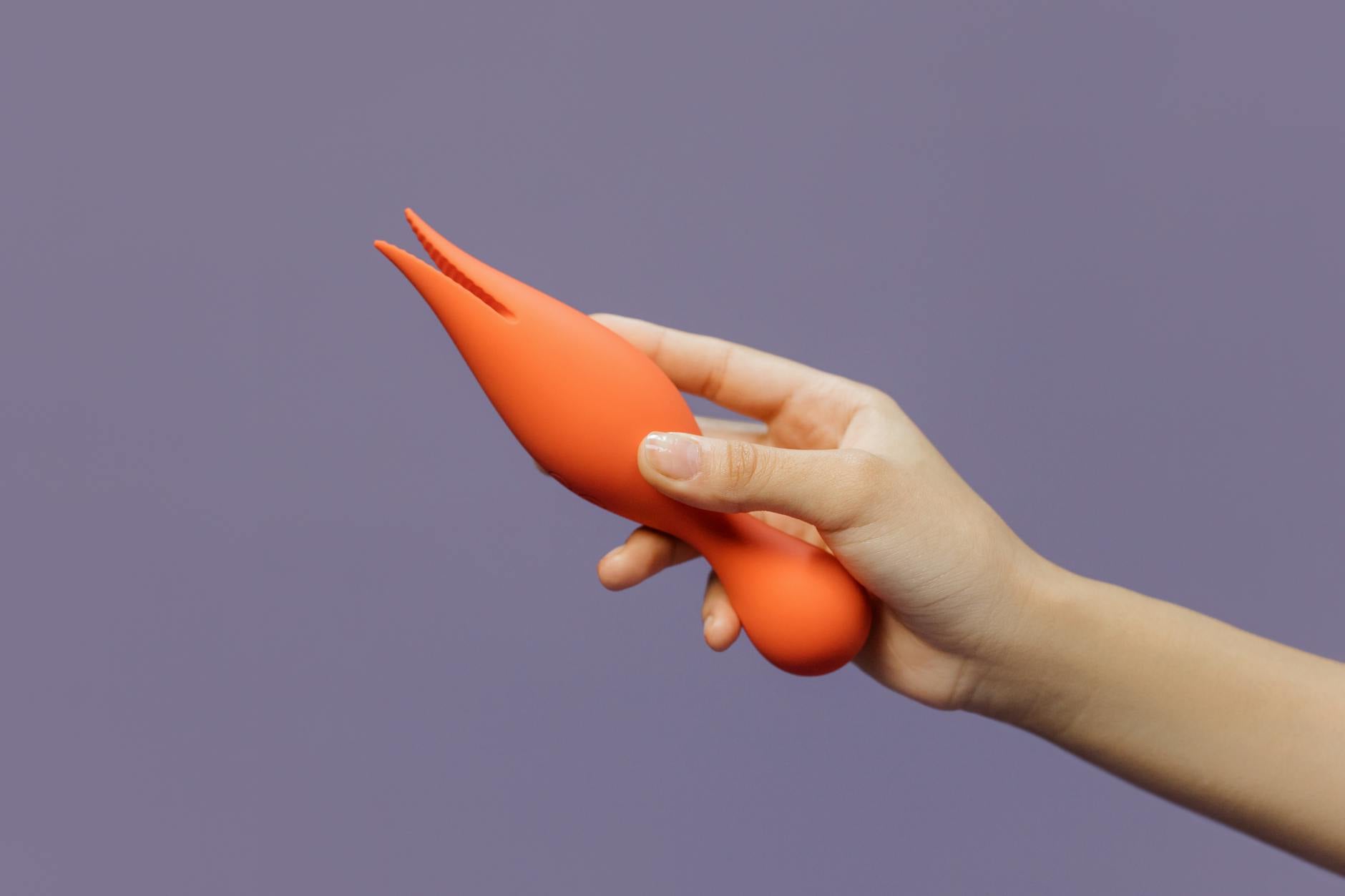
Shop Lemon Massagers has intentional design that makes this conversation easier. A lemon clitoral vibrator looks different from a traditional vibrator. It's not trying to imitate anything. That strangeness can actually make it feel safer to talk about. It's novel for both of you, so there's less history of shame attached to it.
Here's where most couples mess up: they introduce the toy hoping it will skip the talking part. It won't. But you can use the experience of using it together to talk about pleasure in a new way.
When you're using a lemon vibrator with your partner, you're creating a shared experience around sensation. That's different from performance-based sex. You're both focused on what feels good, not on whether someone's doing it "right." That shift changes everything about how safe it feels to speak up.
If something feels good, say it. If you want to adjust intensity, say it. If you want to move to a different pattern, say it. Those small verbalizations are practice for bigger conversations. They're building a language where your body's actual preferences matter.
My clients report that using a lemon clitoral vibrator with consistent communication shifts something fundamental in how they relate to their partner around pleasure. It's not magic. It's just that the toy removes some of the performance pressure, which makes honesty possible.
Some partners hear "I want to use a vibrator" as "You're not enough." That's a real fear, and it deserves a real answer. Not dismissive, not defensive.
You can say something like: "My body works a certain way. I need a certain type of stimulation to feel pleasure. That's about my nervous system, not about how I feel about you. I want to explore this because I want to feel good—and I want to do it with you."
The clitoral suction mechanism on a lemon vibrator is different enough from traditional vibration that you can genuinely frame it as exploration, not replacement. You're not choosing the toy over them. You're choosing sensation, and inviting them into that.
When couples move through the awkwardness of introducing a vibrator, something unexpected happens. The permission to talk about this one thing starts to open other conversations. Suddenly it feels slightly less dangerous to mention what you actually want, what feels good, what you've been thinking about.
You're not going from "never talking about pleasure" to "open dialogue overnight." You're moving incrementally. This vibrator conversation becomes the first domino.
My role as a therapist in these situations is often just to normalize it. To tell people: yes, your partner's fear is real. Yes, your vulnerability is real. And yes, these conversations are possible, even in long-term relationships. They just need a point of entry.
A lemon vibrator can be that entry point. Not because the vibrator is magic, but because it gives you both something concrete to talk about. You can describe sensations. You can laugh at the awkwardness. You can admit you were nervous. All of that is relationship repair happening in real time.
Sometimes you introduce the idea and your partner stays firmly closed. That's information too, and it matters.
You can use that refusal as an opening for a bigger conversation: "I'm picking up that this feels threatening to you. I want to understand why." Sometimes there's a legitimate reason. Sometimes there's shame or trauma underneath. Sometimes it's about control. Sometimes it's about fear of change.
If your partner refuses to talk about pleasure at all, ever, that's a relationship pattern worth examining. I'm not saying it's a dealbreaker. I'm saying it's a clue that something deeper needs attention.
That might mean couples therapy. It might mean individual therapy for your partner to work through shame. It might mean reconnecting with what you actually want from the partnership. But a vibrator can't do the emotional work. Only honesty can.
Couples who communicate openly about sexual preferences report higher relationship satisfaction overall. Not just sexual satisfaction—relationship satisfaction. When you can talk about this one vulnerable thing, you build a safety structure that extends to other parts of your partnership.
Introducing a new tool together, like a lemon clitoral vibrator, gives you a scaffolding for that conversation. You're not inventing a vocabulary from scratch. You're describing a specific sensation that your body is having in real time.
If communication about pleasure feels impossible in your partnership right now, a vibrator isn't the first step. Honesty is. You'll need to say something like: "I care about our connection, and I'm noticing we don't talk about this part of it. I'd like to change that."
If your partner is open to that conversation, a lemon vibrator becomes a useful tool for deepening it. If they're not, that's a separate issue that probably deserves professional support.
But here's what I know from years of working with couples: the ones who move through this awkwardness together come out stronger. Not because sex gets better, though it often does. Because they've learned that vulnerability can survive in the relationship. That honesty doesn't destroy things. That pleasure matters, and talking about it doesn't make you weird or demanding.
A lemon vibrator is just a tool. But introducing it right can be the beginning of a much bigger conversation.
Timing and framing are everything. Choose a calm moment outside the bedroom, not during or after sex. Lead with curiosity, not prescription: "I've been curious about exploring something new. Would you be open to that?" Avoid language that sounds like criticism ("we need to" or "I'm not getting what I need"). Instead, frame it as personal exploration that you'd like to share. The fact that you're asking their input—rather than surprising them or presenting it as a demand—signals respect for the partnership.
That fear is common and worth taking seriously. A direct, honest response helps: "My body has specific needs. That's not about how I feel about you. I want to feel good, and I want you there with me." You can also reframe it as something you're exploring together, not something you're doing to avoid them. Offering to use it during partnered sex—so they're involved, not excluded—can ease that worry. If the fear persists, it might be worth exploring in couples therapy, because it often points to deeper anxieties about intimacy or self-worth.
Not directly. But it can create the conditions for better communication. When you use it together, you're practicing verbalizing what feels good in real time. You're normalizing pleasure talk in a low-stakes way. You're building a shared experience around vulnerability. All of that makes it slightly safer to have other honest conversations. The vibrator isn't the tool that fixes communication—honesty is—but it can be the bridge that makes honesty feel possible.
That's actually the norm, not the exception. Long-term couples often have patterns locked in place that feel too risky to challenge. A vibrator can feel like a threat to that stability, even if the actual impact would be positive. You might say something like: "I know we've had a pattern for a long time. I'm wondering if we could explore something new together." That acknowledges the history while opening the door to change. Sometimes couples therapy helps normalize the shift without making it feel like failure.
Start with low pressure. You might use it solo first, so you both get comfortable with it independently. Then introduce it during partnered time in a way that feels collaborative—maybe they hold it, or you're describing the sensation to them as it happens. The point is to make it less about performance and more about exploration. If they're nervous, moving slowly and checking in verbally goes a long way. "Does it feel okay if I...?" "Would you like to try...?" That collaborative approach builds confidence on both sides.
Completely normal. Most people carry some shame around pleasure, and introducing something new amplifies that. But embarrassment and hesitation are different from it being actually wrong or weird. Millions of couples use vibrators together. The embarrassment you feel is about cultural messaging, not about the reality of your situation. You can acknowledge the awkwardness and move forward anyway: "This feels weird to talk about, and I'm doing it anyway because I care about us both feeling good." That's maturity. That's courageous.