How to Rebuild Pleasure After Numbing Medications With Lemon Vibrators
Let's be real. Your medication is probably saving your life. And it's also probably killing your ability to feel much of anything down there.
Pleasure Recovery
Antidepressants, antihistamines, and blood pressure meds flatten sensation. Here's the neuroscience behind why suction works when nothing else does.
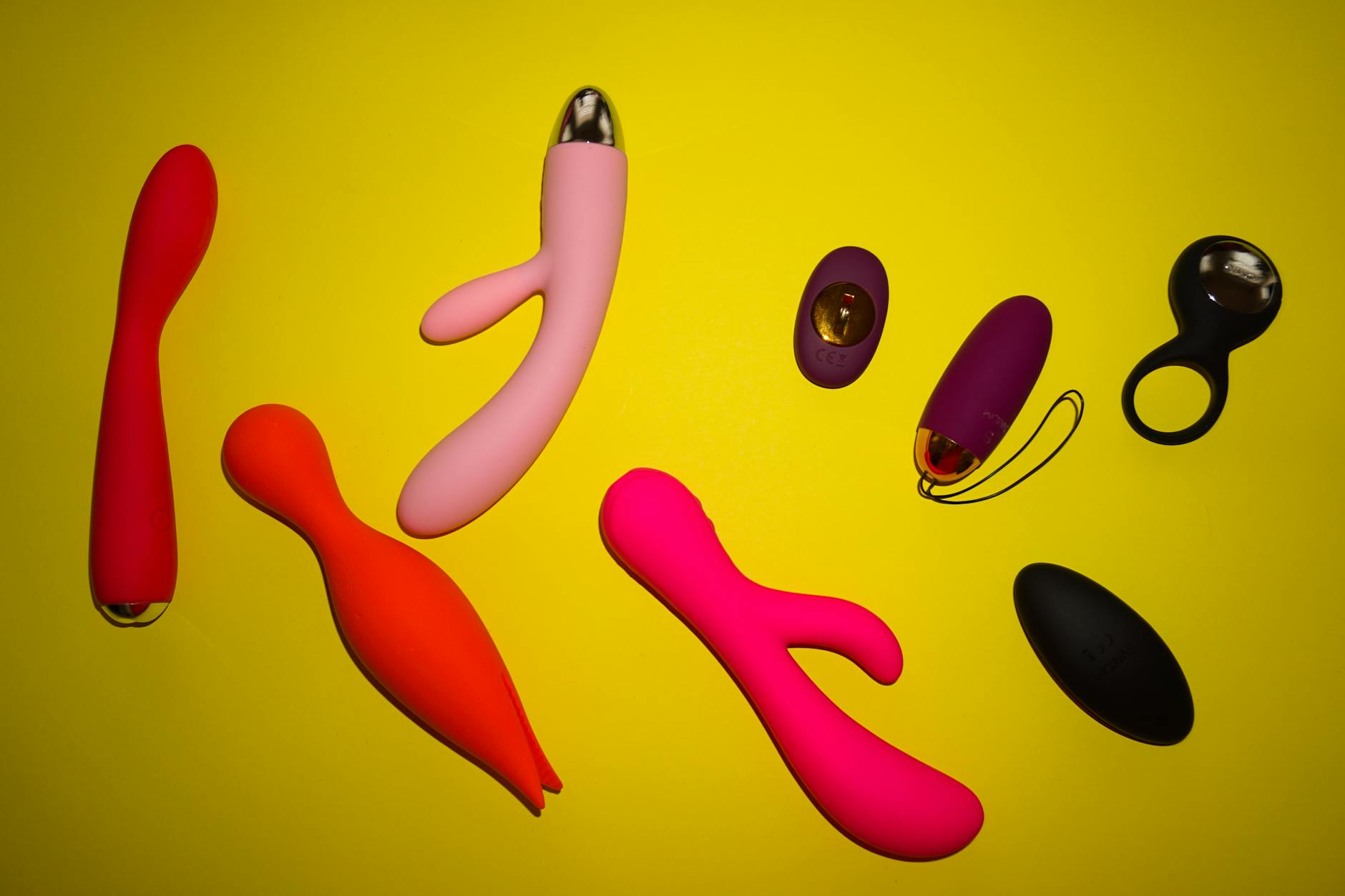
Let's be real. Your medication is probably saving your life. And it's also probably killing your ability to feel much of anything down there.
Antidepressants, antihistamines, blood pressure meds, and a dozen other common prescriptions work by dampening neural signaling. That's kind of the point when you're trying to regulate mood or manage allergies. But the same mechanism that quiets anxiety also quiets arousal. And that's the part nobody warns you about.
Here's what I've learned working with couples navigating medication side effects: the problem isn't that pleasure is gone. It's that the pathways to pleasure have gotten quieter. And once you understand the difference, you can actually do something about it.
Most common medications that affect sexual response work on one of three systems. SSRIs (selective serotonin reuptake inhibitors) slow the release of dopamine and norepinephrine, which are basically your brain's pleasure chemicals. Antihistamines block histamine receptors, which play a role in vasodilation. Blood pressure meds reduce blood flow to genital tissue. Each works differently, but the result feels the same: nothing much happens when you want it to.
The tricky part is that this isn't a you-problem. It's not that you've lost capacity for pleasure. Your neural pathways are still there. Your clitoris still has all the nerve endings it ever did. What's changed is the signal strength. Imagine trying to hear your favorite song on a radio with the volume turned way down. The song's still playing. You just can't hear it clearly.
Most vibrators rely on frequency and intensity to cut through that neural static. A typical wand or rabbit vibrator sends repetitive waves of stimulation and hopes you're sensitive enough to feel them. When your baseline sensitivity is already lowered by medication, that strategy often fails. You press it against yourself, wait, feel almost nothing, and assume your body's just broken.
That's where the suction mechanism changes everything. Instead of relying on you to feel vibration through increasingly numb tissue, suction actually pulls on the delicate nerve clusters around the clitoral head. It's less about frequency and more about pressure and release. The Lem and other suction-based lemon vibrators were designed specifically for this: they create sensation that doesn't depend on your baseline sensitivity.
Think of it as turning the radio's volume all the way up instead of waiting for your ears to adjust.
When sensation is flatlined, your brain stops expecting signals from that area. It's not that the nerve endings have died. It's that your central nervous system has basically stopped listening. This is called neural adaptation, and it works both ways.
Suction interrupts that pattern. Because it's a different type of stimulation than what you've been trying, it bypasses some of the adaptation your nervous system has built up. You're not relying on the same dulled-out pathways anymore. You're engaging the tissue and the nerves in a new way.
After a few sessions with a suction device, many people report that sensation starts coming back. Not because the medication wore off, but because their nervous system is literally re-learning how to receive and interpret pleasure signals. It's neuroplasticity in action.
Here's what most people get wrong with lemon vibrators when they're recovering from medication numbing. They assume they need to start on the highest setting. Actually, you want to do the opposite.
Start on pattern 1 or 2. Seriously. The point isn't to overwhelm yourself. It's to give your nervous system permission to wake up slowly. Use a water-based lubricant, position the device so it's creating a gentle seal without hard pressure, and spend 10-15 minutes just letting your body remember what sensation feels like.
You're not trying to orgasm. You're trying to feel anything. Orgasm comes later, once the pathways start opening up again.
Many people find that after three or four sessions at low intensity, the nerves start firing again. The sensation gets sharper. Then you can gradually move up through the intensity levels. But rushing there defeats the purpose.
If you've recently started a new medication, give it four to eight weeks before you expect your sexual response to stabilize. Your body's still adjusting to the drug itself. Trying to force pleasure during that window often backfires because you end up frustrated and convinced the medication has broken something permanently.
It hasn't. It's just recalibrating.
If you've been on the same medication for months or years and sensation has stayed flat, that's actually promising. It means the numbing isn't about adjustment anymore. It's about the medication's mechanism. And that's something you can work with using the right tools.
Also worth knowing: some medications are more notorious for sexual side effects than others. SSRIs are the worst offenders. But even if you're on an SSRI, some people have very mild effects and others have severe ones. The difference isn't about how hard you're trying. It's about your individual brain chemistry and dose. If pleasure is genuinely absent after a reasonable time period, bring it up with your doctor. Sometimes a dose adjustment, medication swap, or adding an additional medication that counteracts the sexual side effect makes a real difference.
If you're with someone, this is worth naming directly. "I want my pleasure back, and I want to be intentional about rebuilding it" is different from "Something's wrong with me." One is a project you're both in. The other is a problem you're trying to solve alone.
A good partner can help by understanding that low-sensation recovery takes time. Watching someone use a lemon clitoral vibrator can feel strange if you're used to traditional sex being quick and high-intensity. But honestly, the slowing down is part of what works. You're re-teaching your nervous system. Your partner can be present for that in a way that's actually connecting instead of performing.
Here's the part I see derail people most often. After being numb for a long time, your brain can get protective about pleasure. You stop expecting it. You plan your sex life around your partner's pleasure instead of your own. You convince yourself you're fine, actually.
Then you try a lemon vibrator, sensation starts coming back, and it can feel almost scary because hope is hard. You'd made peace with numbness. Having feeling return means you have to want something again.
That's normal. And it's worth acknowledging. Your nervous system isn't broken. Your grief about lost time isn't wrong. But your capacity for pleasure isn't gone either. It's just been waiting for the right conditions to wake up.
If pleasure doesn't start returning after consistent low-intensity use over two weeks, or if you experience pain where there wasn't pain before, flag it with your GP or gynecologist. Sometimes medication-related numbness masks other stuff. Sometimes you need a prescription adjustment. Sometimes an additional medication specifically designed to counteract sexual side effects (like bupropion or buspirone added to an SSRI) is the answer.
The point: you don't have to live with this indefinitely. It's a side effect of treatment, not a permanent state.
Rebuild pleasure after numbing medications isn't a sprint. It's a practice. Some days sensation will feel sharper than others. Some medications take months to really recalibrate. Some people find that pleasure recovery after medication works better when they're recovering from a long illness at the same time.
But consistent, gentle work with the right tools changes things. Your nervous system is trying to heal. Give it permission to do that slowly.
Yes. The nerve endings don't disappear just because they've been quiet for a while. Your nervous system can re-learn how to receive pleasure signals, even after years of numbness. It takes patience and consistent practice with tools designed to penetrate that numbness (like suction-based lemon clitoral vibrators), but the capacity is there. Most people notice shifts within two to four weeks of regular, intentional use at low intensity.
Suction creates a different type of stimulation than vibration. While regular vibrators depend on baseline sensitivity to transmit their signal, suction actively engages tissue and creates pressure that doesn't rely on you feeling vibration through numb skin. It's a stronger, more direct sensation pathway. For people whose nervous systems have quieted down from medication, this different stimulus type often cuts through better than traditional vibration alone.
Absolutely. Water-based lubricant is non-negotiable. It reduces friction on tissue that may already be sensitive from medication effects, helps the suction seal work properly, and makes the whole experience more comfortable. Apply generously. Reapply if things feel dry. This isn't just about comfort. Proper lubrication actually improves the effectiveness of suction-based stimulation.
It varies, but many people notice something within three to seven days of consistent low-intensity use. That might be a slight tingle, a sharper sensation than before, or an orgasm that actually feels like something instead of a blurry maybe-that-happened thing. Full pleasure recovery usually takes two to four weeks. If nothing shifts after consistent use over two weeks, check your intensity level. You might still be too high. Lower it again.
It can, but slowly. Your nervous system will gradually re-wake even without tools. But why wait? A well-designed clitoral vibrator like those from Shop Lemon Massagers specifically accounts for numbed sensation and can accelerate the process significantly. You're not dependent on a tool. You're just using a smarter one.
Yes. The suction mechanism in lemon vibrators (and similar devices) creates a distinct sensation that doesn't rely on your ability to feel vibration through numb tissue. If you've tried regular vibrators and felt nothing, that's not because you're too numb for pleasure. It's because standard vibration isn't penetrating your particular neurological state. Suction works differently, and for many people dealing with medication side effects, it makes all the difference.