Depression numbs everything. Desire flattens first, sometimes before you even notice you're depressed. Then recovery arrives, the medication kicks in, therapy helps, and suddenly you're thinking clearly again. But your libido is still somewhere in the fog. That gap between feeling better and feeling interested in sex again is real, common, and wildly underestimated. It's not about being broken. It's about relearning what pleasure feels like when your nervous system is finally, slowly, coming back online.
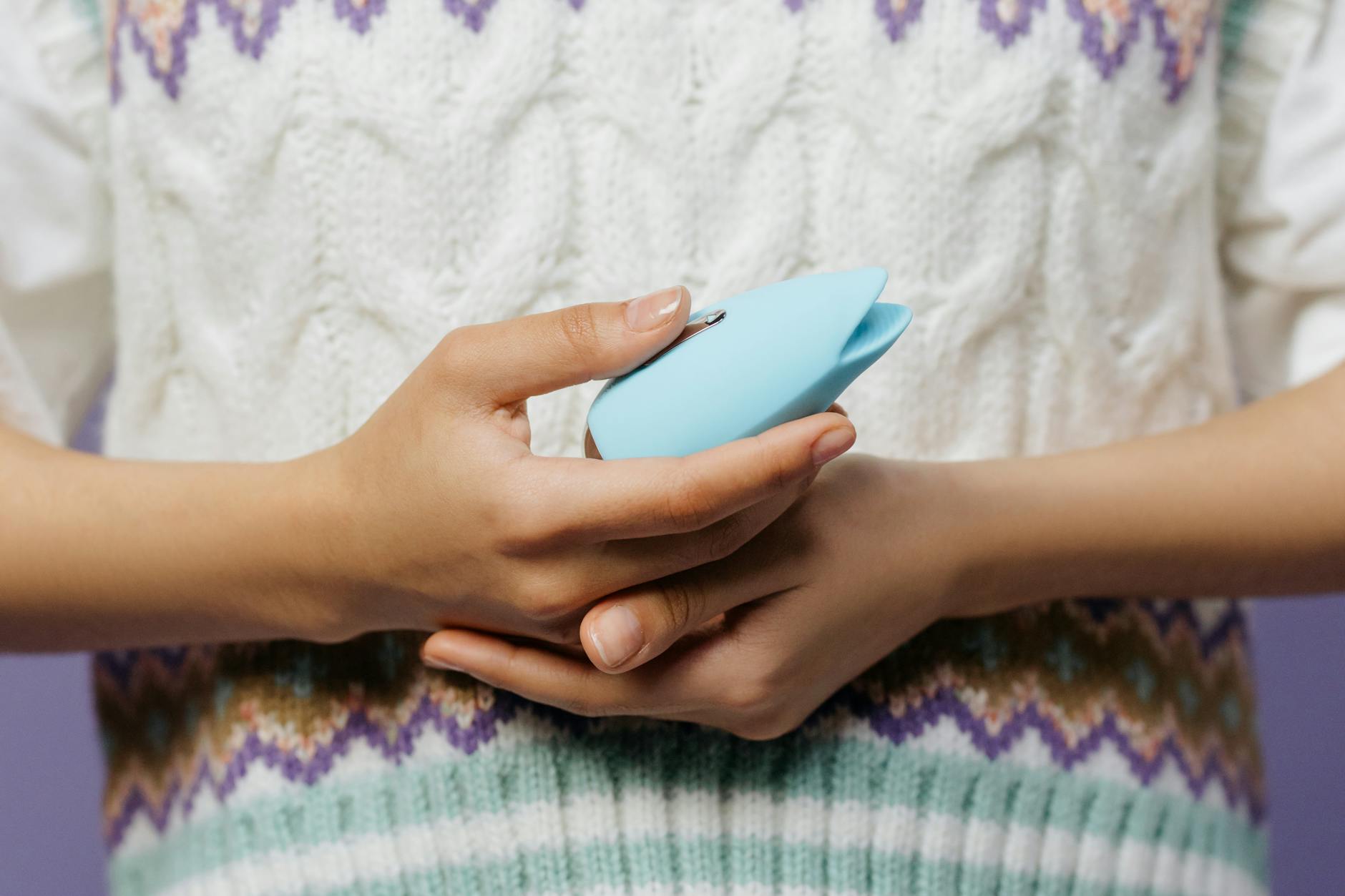
Here's what I've seen work: starting small, using tools that don't require a lot from you, and giving yourself permission to be curious without being goal-oriented. A lemon clitoral vibrator like the Lem is built for exactly this because it asks very little while delivering a lot.
Depression doesn't just affect your mood. It changes dopamine, serotonin, and norepinephrine. These neurochemicals drive desire at every level. Depression also increases cortisol, which suppresses sex hormones. The result: your brain stops sending "I want this" signals, and your body follows. Some antidepressants also flatten arousal as a side effect, which piles on the difficulty.
When you start recovering, these systems don't flip back overnight. Your brain is relearning how to feel pleasure. Your body is relearning what arousal actually feels like. You're not lazy, broken, or asexual. You're literally healing a system that's been offline.
That matters because it changes how you approach pleasure during recovery. You're not trying to "get back to normal." You're introducing sensation to a system that's just waking up.
There are three reasons a lemon clitoral vibrator (or lem vibrator) makes sense right now.
First, suction doesn't require much from you. A traditional vibrator asks your body to meet it halfway. You need to know where to position it, maintain pressure, find a rhythm. Suction works differently. It creates sensation without requiring you to do the work. This matters when you have low energy or your body still feels numb. You can lie still and let it work.
Second, a lemon sexual toy gives you control over intensity. The Lem starts at pattern 1, which is gentle. You're not forced into deep sensation. You can stay in shallow waters as long as you need, then gradually move up. For a nervous system in recovery, gradual is everything.
Third, lemon adult toys produce a different sensation than vibration alone. Suction stimulates nerves in a specific, sustained way. Some people find it helps their body remember what arousal actually feels like faster than traditional vibrators. It's not universal, but it's worth knowing.
Before you touch anything, check in with your own expectations. Are you trying to feel like you did before depression hit? Are you putting pressure on yourself to want sex again on a timeline? Are you treating this like a goal you need to hit, or like something you're curious about exploring?
The last one is the only one that works right now. Pleasure during recovery can't be forced. It can only be invited.
Here's what I tell people: set zero expectations for outcome. You're not trying to orgasm. You're not trying to feel amazing. You're trying to feel. That's the whole job. If a lemon clitoral vibrator helps you feel sensation in your body again, that's success, full stop.
Begin with timing. Choose a moment when you have energy, not when you're trying to drum it up. This might not be when your partner wants to be intimate. This might be afternoon, solo, in daylight, fully clothed except for the part you're exploring. That's normal and fine.
Start with pattern 1 or 2. Seriously, even if it feels gentle to the point of nothing. Your nervous system is learning again. Low intensity gives it room to notice and respond without being overwhelmed. Spend 5 to 10 minutes here. You're not timing yourself toward an outcome. You're just noticing what you feel.
Many people in recovery report that sensation arrives slowly. First it's neutral. Then it's "huh, I felt that." Then it's interesting. Then, maybe, it's pleasurable. That progression across weeks or months is normal. Don't rush it.
If numbness persists or touch feels uncomfortable, pause. Check in with your therapist or doctor. Sometimes recovery needs more time. Sometimes there's a medication adjustment needed. Sometimes there's trauma layered under the depression that needs attention first. All of that is information, not failure.
If you're in a relationship, this deserves a conversation that's separate from the sexual one. Say something like: "I'm starting to notice I have a little more energy. I'm going to explore pleasure on my own for a bit, without any expectation of us doing anything together yet. This isn't about you. It's about me relearning my body."
That boundary matters. Your partner might worry they did something wrong. They might feel rejected. Neither is true, and saying it clearly prevents a secondary problem from layering on top of the recovery you're already managing.
Sex with a partner involves another nervous system, another set of needs. Right now, you're just working with your own. Once your internal system starts responding again, then you can think about what partnership looks like. Not before.
After a few weeks of solo practice with a lemon vibrator, you might notice desire starting to shift. Maybe you think about sensation more often. Maybe your body responds a little faster. That's your system waking up.
Only then consider involving a partner. And start small: maybe they're in the room while you use your vibrator. Maybe you're next to them, and you let them see. The goal isn't sex. The goal is being witnessed in your pleasure while you're still building it.
Some people skip this phase. Some people need weeks here. There's no right answer. What matters is that you're moving at the speed your nervous system can actually handle, not the speed you think you "should."
Recovery is rarely linear. You might have a day where sensation feels like it's coming back, then two days where it disappears again. You might cry while using a vibrator because pleasure is tied to grief about the time depression took. You might feel nothing and feel fine about it.
All of this is recovery. None of it means you're doing it wrong.
If you find yourself feeling shame about still not being "back to normal" sexually, that's depression talking, not reality. Your body healed from an infection. Your nervous system is healing from a severe dysregulation. Both take time. Both deserve patience.
If your antidepressant is flattening arousal, talk to your prescriber about timing. Some people take their dose at night instead of morning so libido returns by afternoon. Some people are candidates for a different medication. Some take something additional to restore sexual function.
Therapy also matters here. Sometimes numbness isn't chemical. It's protective. Your nervous system shut down desire to keep you safe during depression. Therapy helps you signal to your system that it's safe to open up again. A vibrator can support that work, but it's not a replacement for it.
If depression is still acute, hold off on this entire conversation. Let medication and therapy do their work first. Recovery has phases. This is not the first one.
If you're back in active depression or having new depressive episodes, pleasure work can wait. Focus on stability. The desire will still be there once you're on solid ground again.
If sexual numbness persists 6 months into recovery and other symptoms have improved, mention it to your doctor. Sometimes it requires specific intervention.
Depression mutes all sensation, including physical pleasure. When dopamine and serotonin are low, your brain literally doesn't register "this feels good." You might feel physical sensation (you can tell something is happening) without it feeling pleasurable. That gap is exactly what depression does. It's not permanent. As your neurochemistry rebalances, this numbness gradually lifts. Some people notice it returns in weeks. Others take months. Both are normal.
Absolutely. In fact, a lemon clitoral vibrator is one of the gentler ways to reintroduce sensation while you're still on medication. If your medication is making arousal harder, a vibrator creates stimulation without needing your body to generate interest first. That said, if your dose is too high or the wrong medication, no vibrator will help. Work with your doctor on the medication side while exploring sensation on the pleasure side.
Completely normal. Pleasure is connected to vulnerability. During depression, you shut down emotionally and physically. When you start opening that back up, sometimes tears come with it. Sometimes grief surfaces. Sometimes you feel overwhelmed by sensation that feels small. This isn't a sign to stop. It's evidence that you're defrosting. If it becomes overwhelming, slow down and work with your therapist on it.
Start solo. Your nervous system needs to remember what sensation feels like without the added complexity of managing someone else's needs or energy. After a few weeks of solo exploration, you can involve a partner if you want to. But there's no timeline on this. Some people need months of solo work before partnered pleasure feels good.
Be direct and kind. Say: "I'm relearning my body after depression. I need some time solo to remember what sensation and pleasure feel like. This isn't about you or your body. It's about me resetting my nervous system. Later, when I'm ready, we can explore together." Most partners understand recovery. If they don't, that's a different conversation to have with your therapist.
Check these things: Are you still in active depression, or is this medication side effect? Has your therapist ruled out trauma? Are you under acute stress or life pressure? Are you expecting to feel pleasure, which creates pressure that stops pleasure from arriving? Any of these can explain persistent numbness. It's not that the vibrator doesn't work or you're broken. It's that something else needs attention first. Talk to your doctor or therapist about what that might be.
Recovery is one of the most personal, non-linear processes you can walk. Using a lemon vibrator during that recovery is a small thing, but it's a tangible way to tell your body, "I'm ready to feel again, slowly." That matters. Your desire will return, but on its own timeline, not yours. A tool that meets you where you are now, without judgment or expectation, is worth having as you make your way back.
If you have questions about how to move forward, we're here to help. Reach out to us at Shop Lemon Massagers and let's talk through what recovery-stage pleasure exploration looks like for you.