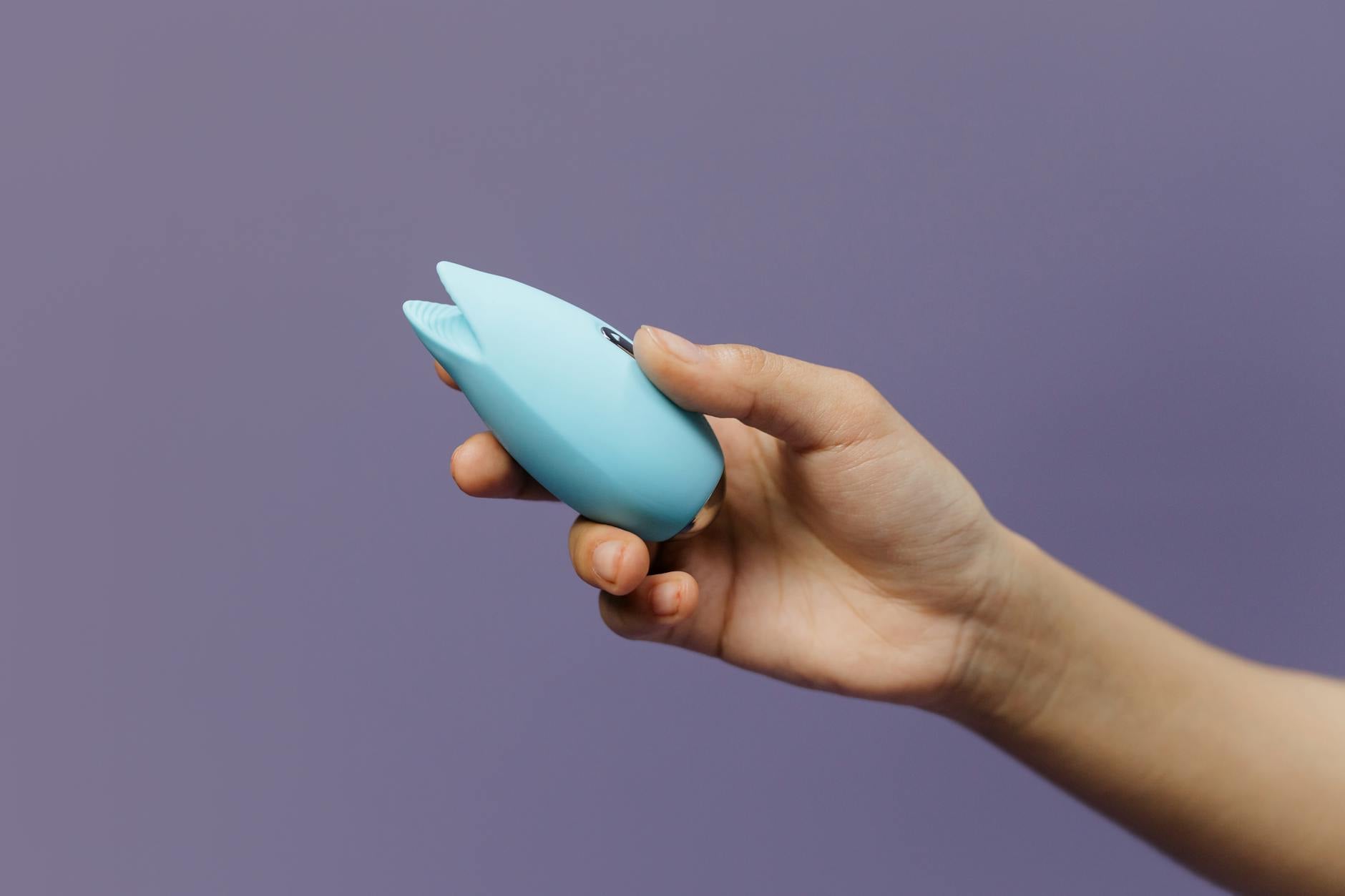
How to Use a Lemon Vibrator When Regaining Pleasure After Relationship Trauma
Rebuilding sexual confidence after betrayal or harm takes intentional steps. Here's how clitoral vibrators help you reclaim safety, sensation, and pleasure entirely on your terms.
Trauma lives in the body. After infidelity, coercion, or boundary violation within a sexual relationship, your nervous system learns to protect itself by shutting down pleasure pathways. That's not weakness. That's your brain doing exactly what it's supposed to do. Rebuilding sexual pleasure after relationship harm requires patience with yourself, intentional retraining of your nervous system, and tools that feel safe in your hands.
When someone has violated your sexual boundaries, the most damaged thing isn't your body. It's your sense of agency. Pleasure felt coerced stops feeling like pleasure. It feels like compliance.
Clitoral vibrators, especially ones like the Lem that use air-pulse suction technology instead of direct vibration, work well during healing because they let you stay anchored in the present moment. The sensation is distinct from penetrative touch. It's self-directed. You set the intensity. You stop whenever you want. This isn't a small detail. This is the architectural foundation of rebuilding trust with your own body.
Many clients tell me their first solo experience with a lemon sucker feels like the first time they've felt their own pleasure in years. That reclamation of sensation as yours, not something demanded or taken, changes something neurologically.
If pleasure disappeared entirely after what happened, that's the default setting for trauma. Your nervous system isn't broken. It's doing its job by making arousal feel unsafe.
Here's what I tell people in this position: you're not starting from where you were before. You're starting from here, now. And here is not broken.
Begin by exploring sensation outside sexual context. Use your lemon vibrator while lying in a safe space, fully clothed or partially clothed, with zero expectation of arousal or orgasm. Set it to the lowest pattern. Notice what you feel. Notice where you feel it. Notice how quickly you can turn it off. This is recalibration, not sex.
Think of it like physical therapy after an injury. You're retraining your nervous system to recognize pleasure as safe. That takes weeks, sometimes months. You can't rush it.
Stage one: sensation without expectation. Weeks 1-3, typically. Use the lemon vibrator at the lowest settings in a comfortable position. Your job is only to notice what you feel. No target. No finish line. If you feel nothing, that's information, not failure.
Stage two: extended exploration. Weeks 4-8. Gradually increase time. Try different patterns. Move slowly between intensities. Notice what feels neutral, what feels good, what feels like too much. Your nervous system is mapping safety. This stage can feel tedious. It's not. It's crucial.
Stage three: reclaiming choice. Weeks 8 onwards. By now, your body knows the device feels safe and is under your control. You can introduce orgasm as a goal without it feeling pressured. Some people find they come easily. Others take months longer. Both are normal.
You might start exploring with your lemon vibrator and suddenly feel flooded with memory, anger, or panic. This is called a somatic flashback. It doesn't mean you're failing. It means your nervous system registered something as unsafe.
Stop immediately. Turn off the device. Ground yourself using the 5-4-3-2-1 technique: name five things you see, four you can touch, three you hear, two you smell, one you taste. This pulls your brain back into the present moment.
Then, get curious without judgment. What triggered it? The sensation itself, or something contextual like the time of day, a smell, being alone, or pressure to perform? Write it down. This information matters for your therapist if you're working with one.
Some trauma survivors find it helpful to use their lemon vibrator in daylight initially, with the door unlocked, or with a partner nearby (not watching, just present). These small boundary adjustments can make the difference between feeling safe and feeling trapped.
If you're healing from relationship trauma and the person who caused harm is still in your life or a new partner is now involved, the dynamics get complicated fast.
A new partner might feel threatened by a vibrator because it means you're reclaiming pleasure without them. That's not actually about the device. It's about their insecurity. Your healing is not their responsibility. Use your lemon clitoral vibrator whether a partner is comfortable or not. If they're not, that's worth a conversation with a couples therapist, not a reason to abandon your own recovery.
If the person who caused the original harm is still present, using a vibrator alone might feel like an act of rebellion. That's okay. Reclaiming your sexuality as entirely yours is part of healing.
After trauma, your body might not produce lubrication even when your brain says yes. This is normal. Use water-based lubricant generously with your lemon vibrator. It reduces friction, increases sensation precision, and makes the whole experience feel less forced.
Timing matters too. Use your vibrator when you're genuinely relaxed, not when you're forcing yourself to have sex on a schedule to prove you're recovered. Healing isn't linear. Some weeks you'll feel ready to explore. Other weeks you'll want nothing to do with sexuality. Both are healthy.
If using a vibrator consistently triggers flashbacks after two months, if you're experiencing persistent numbness even at highest intensities, or if pleasure remains completely unavailable after six months of solo exploration, talk to a trauma-informed sex therapist or counselor. They can help identify whether your nervous system needs additional support or whether different tools might help.
Likewise, if shame or guilt overwhelms you during pleasure, that's often a sign that some part of you still believes pleasure after harm is wrong or deserved. That belief needs unpacking with a professional, not powering through alone.
Your pleasure after betrayal or harm is not a betrayal of yourself. Rebuilding sensation is not weakness. Taking months to feel safe again is not slow. Using a tool like a lemon vibrator to reclaim control over your own body is exactly what healing looks like.
You don't owe anyone proof that you're recovered. You don't need their permission to feel good. And you don't have to rush back to partnered sex if you're not ready.
Start slow. Stay curious. Trust your nervous system. And remember: this timeline is yours alone.