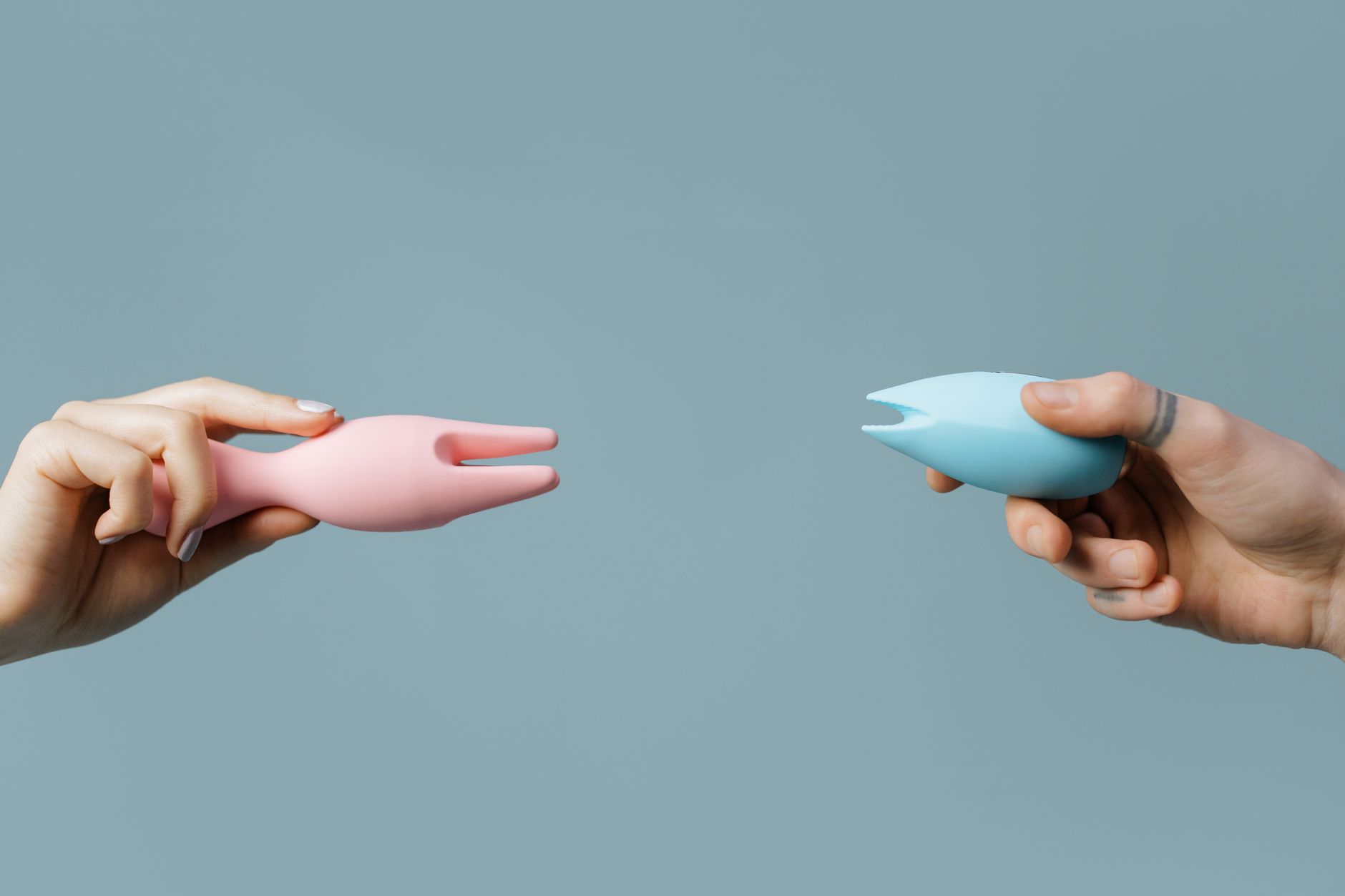
Antidepressants work. They pull you out of the dark. But they also pull sensation out of your body. SSRIs and SNRIs are brilliant at managing serotonin reuptake. They're terrible at preserving the neurochemistry of pleasure. You can feel fine emotionally while feeling absolutely nothing below the belt.
Here's the mechanism: serotonin regulates mood, but it also gates sexual response. Boost serotonin systemically to treat depression, and you inadvertently dampen the cascade of signals that drive arousal and orgasm. Dopamine drops too, sometimes. Dopamine is the wanting chemical. No dopamine means no hunger for sex, even if the plumbing works fine.
The effect shows up in three ways. First, desire vanishes. You don't think about sex. You don't seek it out. Your partner initiates and you feel... nothing. Not pain, not anxiety, just absence. Second, arousal takes forever. Your body doesn't respond the way it used to. Touch that used to light you up now feels like a handshake. Third, orgasm becomes a labor. You can sometimes get there, but it's work. It's distant. It doesn't feel the way it did.
Nearly 40 to 60 percent of people on SSRIs report sexual dysfunction. Your doctor probably didn't warn you. Mine didn't.
Here's the thing about sensation that's been flattened by medication. You can't think your way back to it. You can't relax into it. You need external stimulus intense and consistent enough to cut through the numbness.
Traditional vibrators use repetitive buzzing. Buzzing works when your nervous system is responsive. When it's medicated into flatness, buzzing is like ringing a doorbell on a house where nobody's home. The lemon clitoral vibrator works differently. It uses gentle suction and rhythm combined. Suction pulls, releases, and pulls again. This creates a pressure wave that reaches deeper tissue and wakes up nerve endings that buzzers never touch.
Think of it like this. A buzzer is a surface-level alert. Suction is a full-body conversation. When your nerves are sleeping, conversation works better than alerts.
Start with low stakes. Not in bed with a partner watching. Not under time pressure. Just you, privacy, and 30 minutes with zero expectations.
Warm your body first. This matters more than you think. A 10-minute warm shower, or 15 minutes under blankets. Medicated bodies respond slower to temperature shifts, but they do respond. Warmth increases blood flow to your genitals. Blood flow is the foundation of any sensation.
Then try the suction on the lowest setting. Not on your clitoris yet. Try it on your inner thigh. Your forearm. Places where sensation is less numb. Get used to how it feels. The suction pattern, the rhythm, the way your skin responds. This is not foreplay. This is research. You're learning your body's new language.
After five minutes of that, try it on the labia. External tissue only. Work slowly up toward the clitoris. Watch for micro-responses. A tiny twitch. A slight shift in breathing. These are signals your body is waking up. Don't chase the big orgasm. Chase the small signal.
Stop before you're frustrated. If nothing happens after 15 minutes, stop. Your nervous system has been dampened. It needs permission to switch back on. That permission comes from gentle, repeated exposure, not from force.
This is a three-week project, minimum. Your brain didn't lose its capacity for pleasure. Your medication silenced the volume. Turning volume back up takes time.
Week one: solo sessions, three times. Fifteen to 20 minutes each. Suction at setting one or two. No goal except to notice what happens. Your only job is presence. Are there tingles? Warmth? Texture change? Notice it without judgment.
Week two: increase frequency to four or five times. Sessions can go longer now, maybe 25 minutes. You can try settings three to four if you want. Still no goal except sensation mapping. Some sessions will feel flat. That's okay. Your nervous system is rebooting.
Week three and beyond: you'll probably notice something has shifted. Not necessarily orgasm. Probably just feeling. Actual feeling in tissue that felt like plastic wrap. That's the signal that medication numbness is loosening. That's when you can start playing with intensity, rhythm, pattern, and let yourself chase pleasure again.
Don't let this silently wreck your sex life and then secretly stop taking your meds. That's the worst outcome.
Schedule a specific conversation. Not at the end of an appointment, not as an afterthought. Say it clearly: "I'm experiencing sexual dysfunction since starting this medication. I want to problem-solve it together." Your doctor has options. They might suggest dose reduction (if your mood is stable enough). They might recommend a different class of antidepressant. Bupropion, for instance, doesn't numb sensation the way SSRIs do. They might prescribe something to take 30 minutes before sex that temporarily counteracts the side effect (buspar, sometimes). Or they might validate that this is the trade-off and help you rebuild pleasure with tools like a lemon clitoral vibrator.
None of those conversations happen if you don't name it.
Other people suggest switching positions, using fingers, extending foreplay. All fair ideas. But they assume responsive tissue. Medicated numbness isn't about position or technique. It's about signal strength. Your nerves need a stimulus strong enough to register through the chemical dampening.
Suction gives you that. It creates a pressure gradient that stimulates mechanoreceptors and proprioceptors. These are the sensory receptors that actually fire even when your serotonin is suppressed. Buzzing relies more on vibration sense, which is more vulnerable to dampening.
Lemon adult toys use suction as their core mechanism. Not as a gimmick. The suction is the whole point. That's why they work when other vibrators leave you completely flat.
Medication numbness doesn't just affect sensation. It affects identity. You've spent years or decades associating yourself with sexual response, pleasure, desire. Then medication takes that away. You're not the same person anymore. Your partner isn't with the same person anymore. That's a grief, and grief is real.
Using a lemon vibrator isn't just about rebuilding orgasm. It's about reclaiming part of yourself. It's about saying: I'm going to rebuild this. Not exactly the way it was. But real, and mine.
That reclamation is half the healing. The other half is the slow, gentle way your body learns to feel again when you're patient with it.
Eventually, with time and consistent exposure, feeling comes back. Not always to baseline. Sometimes better, sometimes different. But real. Then you get to decide what you want to do with it. Solo pleasure. Shared pleasure. Something in between.
The lemon clitoral vibrator becomes part of your routine. Some people use it always. Some people graduate to using it sometimes, in specific scenarios. Some people build a whole pleasure practice around it. There's no right way. There's your way. And that matters.
Yes. The goal isn't to fight your medication. It's to find stimulus strong enough to create sensation even with medication on board. Suction works at this boundary. You're not trying to override the chemical. You're trying to talk louder than the chemical.
Three weeks to three months for most people. Some feel it in days. Some take longer. Your body isn't broken. It's just rebooting. Patience matters here more than persistence.
Talk to your doctor about dosage. Talk to them about switching medications. Talk to them about adding something temporary to support sensation. The lemon vibrator is a tool. If it's not enough on its own, that's information. Act on it.
It's not. This is a neurology problem. The solution has to match the mechanism. Suction addresses the mechanism better than other approaches. Whether you buy from Shop Lemon Massagers or try a suction toy from somewhere else, the principle is the same. Suction wakes up flattened sensation better than buzzing does.
No. Pleasure and medication exist in different systems. Rebuilding pleasure doesn't compromise your mental health treatment. It supports it. Some therapists would say that regaining pleasure is part of recovery.
Maybe, eventually. But start alone. Your body is rebooting. Partners add variables. Alone, you can hear what your body is actually saying. Once sensation returns, then you can bring your partner into rebuilding intimacy together.
Antidepressants are worth the numbness if they pull you out of depression. And. You don't have to accept permanent sexual flatness as the cost. Sensation can come back. The pathway is patience, gentle exposure, and a tool designed to work through pharmaceutical dampening. A lemon vibrator or similar suction toy is that tool. Use it methodically, talk to your doctor, and give your nervous system time. Pleasure is recoverable. It just takes the right strategy.