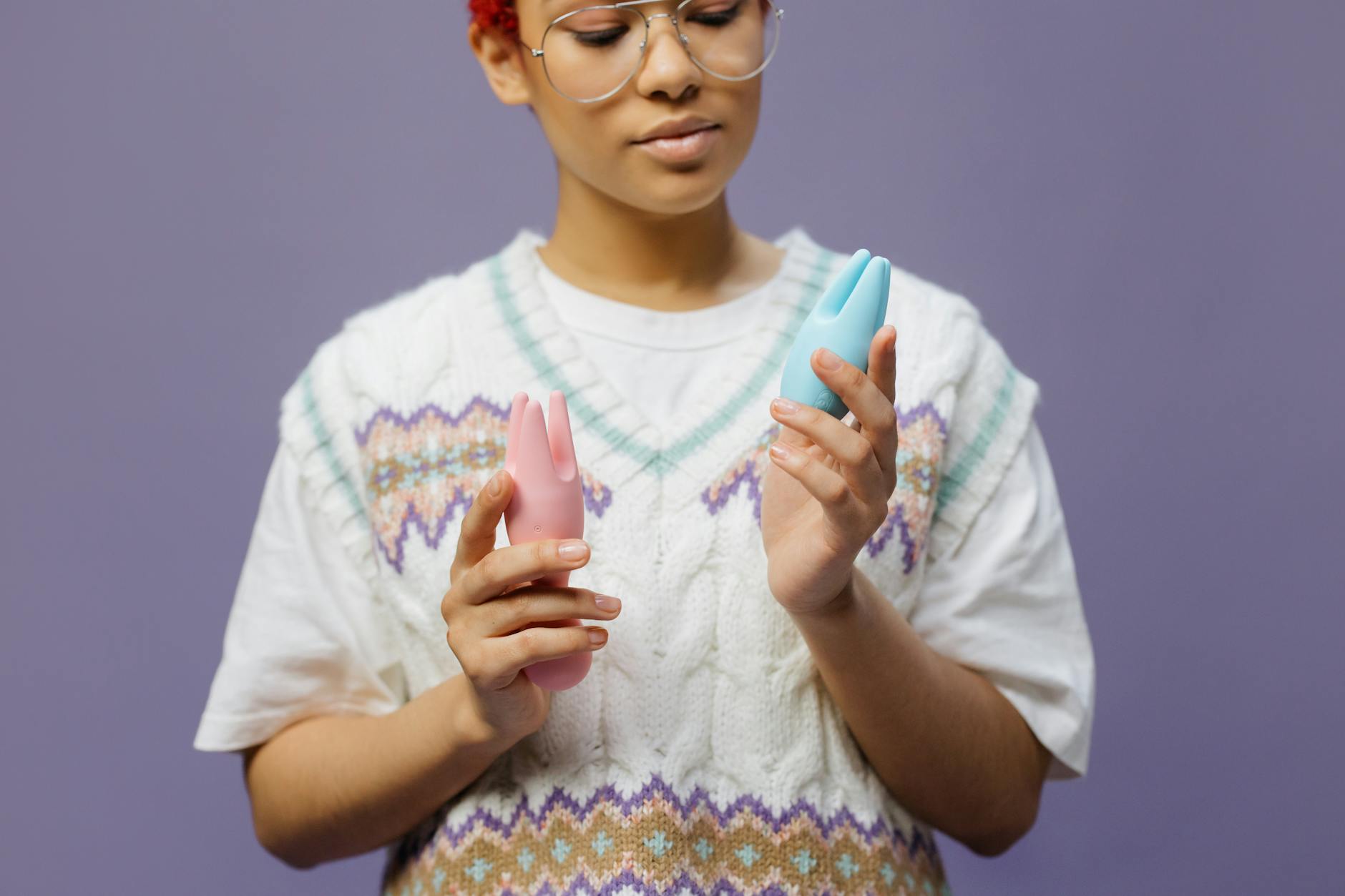
Let's be real about stress and arousal
Stress doesn't just kill mood. It actively rewires your entire arousal system. When your body stays in fight-or-flight mode, the neural pathways that light up for pleasure get dimmed. Your brain is literally busy doing something else. That's not laziness or lost attraction. That's neurobiology.
Here's the thing nobody tells you: willpower doesn't fix this. Showing up for sex when your nervous system is flooded with cortisol is like trying to run on a leg that hasn't healed yet. You can, technically, but you're making the injury worse.
What happens to desire when stress gets chronic
When you're stressed for weeks or months, your body prioritizes survival over reproduction. Your brain doesn't want to invest energy in pleasure because it's too busy keeping you alert. Cortisol, adrenaline, and norepinephrine stay elevated. Meanwhile, dopamine, serotonin, and oxytocin drop. That's the neurochemical profile of someone whose libido has vanished.
It gets worse: chronic stress damages the vagal tone, which means your parasympathetic nervous system (the one that allows arousal) gets quieter. Your body forgets how to shift into a state where pleasure feels possible.
The research is consistent. A 2015 study in the Journal of Sexual Medicine found that women reporting high chronic stress were significantly less likely to experience sexual desire, arousal, or orgasm. The difference wasn't small. It wasn't about being in the right headspace. It was neurochemical.
Why lemon vibrators work when motivation fails
Here's where it gets interesting. A lemon clitoral vibrator like the Lem works because it bypasses the willpower problem entirely. It doesn't ask your brain to want something. It creates a direct physiological signal that your body can respond to.
The suction mechanism on lemon vibrators stimulates the clitoris in a way that doesn't require high baseline arousal to start. You don't have to be turned on yet. That's the key difference. Traditional vibration requires your nervous system to already be in a receptive state. Suction creates that state for you.
When you use a lem vibrator during high-stress periods, several things happen in parallel. First, the gentle suction draws blood to the clitoris, triggering vasocongestion whether your mind is ready or not. Second, the repetitive stimulation begins to downregulate your stress response. Your breathing slows. Your shoulders drop. Your nervous system starts to notice something that feels safe.
Third, and this matters: you're creating a pattern interrupt. You're telling your brain that pleasure is happening right now, and your brain starts to believe it. Neuroplasticity works both directions. The same way chronic stress rewires your brain for vigilance, regular pleasure practice rewires it back toward receptivity.
The protocol when stress has killed your libido
Don't try to have sex. That's the first rule. Reframe this as nervous system recovery, not performance.
Start with 10 minutes alone, ideally when you know you won't be interrupted. Use a lemon clitoral vibrator on the gentlest setting. The point is not to orgasm. The point is to teach your parasympathetic nervous system that pleasure is safe.
Some days, that's all that happens. You feel the sensation. Your body relaxes. Nothing else. That's still a win because you've signaled safety to your nervous system.
Over time, usually within two to three weeks of regular practice, something shifts. The vasocongestion starts to feel anticipatory instead of mechanical. Your mind begins to generate arousal on its own, in response to the sensation. You're not forcing anything. You're just practicing the state you want your body to remember.
Once that's in place, you can reintroduce partnered sex if you want to. But the individual practice first is non-negotiable. Your nervous system has to believe pleasure is possible before you layer in the complexity of another person.
Managing the guilt that usually shows up
Most people feel weird prioritizing pleasure when they're stressed. You should be working harder, fixing the problem, being productive. Taking time for this feels selfish or frivolous.
It isn't. Nervous system recovery is maintenance, not luxury. You wouldn't skip sleep or meals because you're stressed. You'd do more of those things. Pleasure practice works the same way. It's literally rebuilding the neurotransmitters that stress has depleted.
If you're in a relationship, the guilt often gets more complicated. Your partner might feel rejected if you're not interested in sex. This is worth having a direct conversation about. Here's a version that usually works: "My nervous system is in overdrive right now. I need to rebuild my capacity for pleasure solo before I can bring that energy to us. This isn't about you. It's about me needing to reset."
Most partners understand that better than you'd expect. Stressed-out sex isn't good for either of you anyway. Honest recovery is more respectful.
When to combine this with other tools
Lemon vibrators work best as part of a broader stress-reduction approach, not as the only lever you're pulling.
If you're sleeping poorly, start there. Sleep deprivation tanks dopamine production, which makes pleasure harder to access. If you're not moving your body, add walks. Movement increases BDNF, a compound that supports neuroplasticity and helps your brain rebuild the arousal pathways stress has disrupted.
If stress is coming from a relationship dynamic, a lem vibrator can help you reconnect with your own pleasure, but it won't fix the underlying problem. You might need a couples therapist or a frank conversation about expectations.
If the stress is situational (a big project, family crisis, work chaos), the timeline is usually faster. Nervous system recovery can happen in a few weeks. If the stress is chronic (ongoing relationship conflict, ongoing health issues, ongoing financial strain), be patient. You're retraining years of dysregulation. It takes months, not weeks, but it does work.
If you've also experienced depression or anxiety that's separate from situational stress, a conversation with your GP might be valuable. Some antidepressants and anti-anxiety medications can further dampen libido. There might be a dose adjustment or a medication switch that helps.
The moment you'll notice the shift
One day you'll find yourself thinking about pleasure without intending to. Maybe you're in the shower. Maybe you're about to fall asleep. Maybe you're just scrolling and a memory hits. That's the signal that your nervous system is beginning to believe arousal is possible again.
That moment means you can start adding complexity back in. Maybe you're ready for partnered sex again. Maybe you're ready to try something new. Maybe you're ready to want your partner again, without resentment underneath it.
Honestly, most people find that their libido bounces back stronger than it was before the stress hit. There's something about rebuilding from zero that recalibrates the whole system. You're not just getting back to baseline. You're often getting better than baseline because you've learned how to reset your nervous system intentionally.
FAQ
How long does it usually take for stress-related low libido to recover?
That depends on how long the stress has been happening. If it's acute stress (a few weeks of chaos), nervous system recovery usually happens in two to four weeks of regular practice with a lemon clitoral vibrator. If it's chronic stress (months or years), expect two to three months of consistent work before you notice significant shifts. The important thing is consistency, not intensity. Ten minutes daily with a lem vibrator does more than an hour once a week.
Can I use a lemon vibrator if I have zero desire right now?
Yes. That's actually the ideal time to start. You don't need to feel horny to use it. You just need five minutes of privacy and the willingness to try. The whole point is that it creates the physiological conditions for arousal without requiring you to already feel it. Most people who think they have no desire find that sensation returns pretty quickly once they start giving their body gentle stimulation.
Should I tell my partner I'm using lemon vibrators to rebuild my libido?
That's your call based on your relationship. If you're typically open about sex toys, telling them is straightforward: "I'm doing some nervous system work to get my desire back. I'm using a vibrator solo to rebuild that capacity." If toys are new territory in your relationship or if there's tension around sexuality already, you don't owe them a play-by-play. You do owe them honesty if your lack of interest in sex is affecting them, but that conversation can focus on what you need (less pressure, more patience, time to recover) rather than the specific tools.
What if lemon vibrators aren't working after a few weeks?
First, check whether you're actually in a parasympathetic state while using it. If you're thinking about work or your to-do list, your nervous system isn't actually settling. Try dimming the lights, putting your phone in another room, maybe playing music that slows your breathing. Second, consider whether stress is still ongoing. You can't rebuild arousal while the stressor is still active. You need either relief from the stress or significantly better stress management tools. Third, this might be a sign that something else is going on, like depression or a medication side effect. A conversation with your GP is worth it.
Can stress-related low libido affect people with partners differently than single people?
Yes, in some ways. Single people often feel less pressure to perform and can focus purely on nervous system recovery without anyone else's needs in the mix. People with partners sometimes feel guilt, pressure, or resentment that adds another layer of stress on top of the original stressor. If you're partnered, acknowledging that directly with your partner and temporarily deprioritizing sex while you recover is often the fastest path back to a healthy libido. Paradoxically, lowering the pressure usually brings desire back faster than trying to push through it.
Does the type of lemon vibrator matter for stress recovery?
The Lem and other lemon clitoral vibrators work particularly well for stress-related low libido because suction is easier to respond to when your arousal is dormant. It requires less from your nervous system to trigger a response. If you're just starting out with lemon vibrators, the Lem is a solid choice. The important part is consistency and gentleness, not which specific model you choose. A basic lemon sexual toy that you use regularly beats an expensive option that intimidates you into not using it.
What comes next
Stress-related low libido is one of the most reversible forms of desire loss, which is actually good news. Your nervous system is flexible. It can get dysregulated, and it can get re-regulated again. Lemon clitoral vibrators are a tool that helps speed that process because they don't require your brain to do the work. They just create the conditions, and your body does the rest.
The bigger insight here is that sometimes the best thing you can do for your libido is stop trying so hard and start signaling safety to your nervous system instead. A few minutes with a lem vibrator, practiced consistently, often does more than months of forcing yourself through partnered sex when you're not ready.
If stress has genuinely tanked your desire and nothing you've tried is working, reach out and let's talk through what's actually happening. Sometimes the fastest path forward is just having a real conversation with someone who gets it.