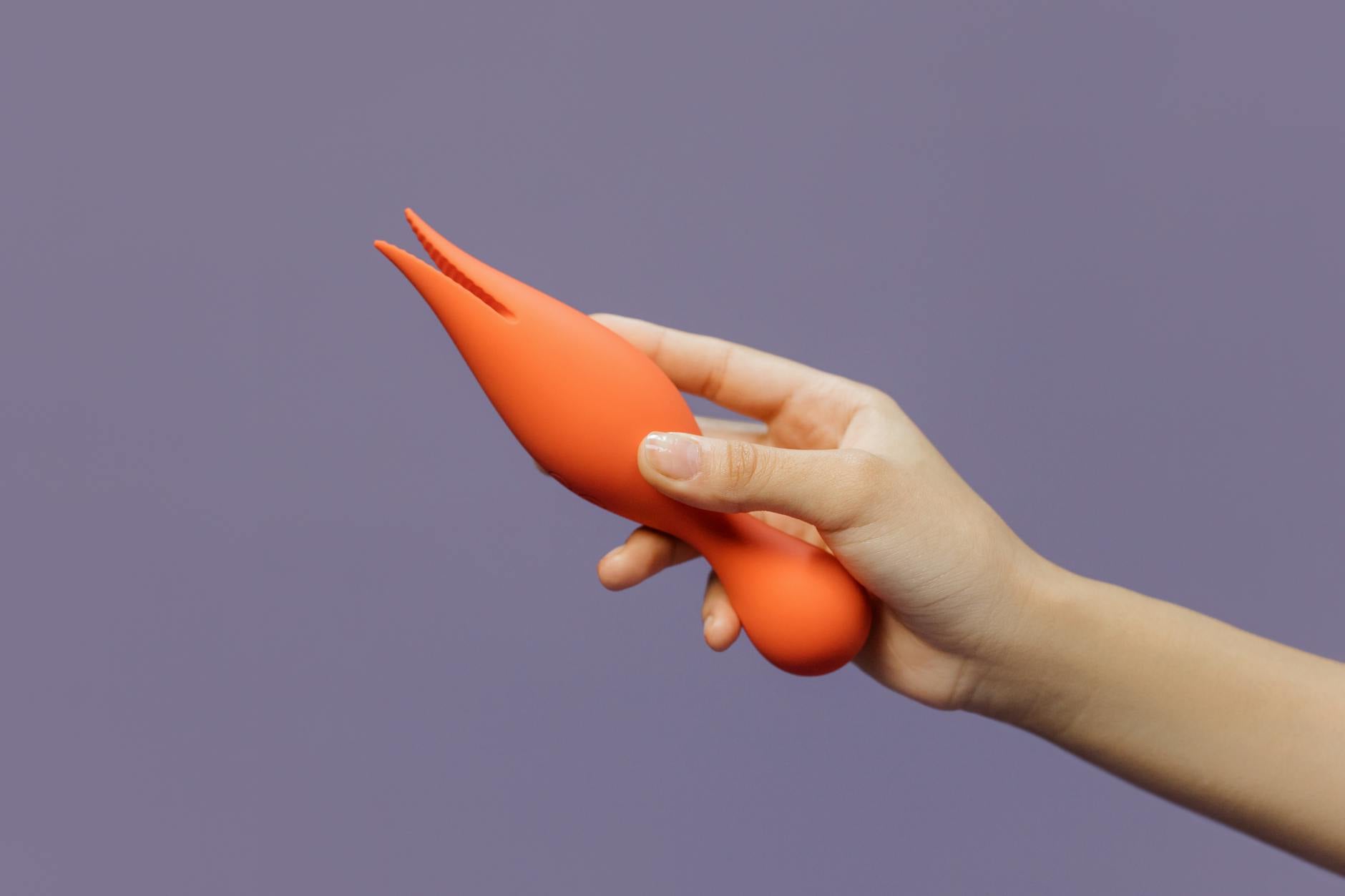
How to Use Lemon Vibrators When Rebuilding Intimacy After Couples Therapy
You've done the hard emotional work. Now your bodies need permission to follow. Here's how lemon adult toys help couples close the gap between better communication and actual touch.
You've had the conversations. You've learned how to fight fair, how to listen without fixing, how to name your needs instead of hinting at them. Your therapist says you're making real progress. So why does physical intimacy still feel awkward, rushed, or absent altogether?
This is the most common thing I hear from couples post-therapy: emotional reconnection doesn't automatically translate to physical reconnection. The nervous system still remembers the old patterns. Touch can feel loaded with all the unresolved stuff, even after you've intellectually moved past it. For many couples, lemon vibrators and other clitoral vibrators become the bridge that lets the body catch up to what the mind already knows.
Therapy teaches you to talk about sex. It doesn't necessarily teach you to have it again, especially if sex stopped during the rough patch. When a couple has been disconnected, sex often carries weight: it becomes a test of whether the relationship is actually fixed, or a high-stakes performance, or something to avoid because it still hurts. None of those pressures help anyone's body feel good.
There's also the small matter of habit. If you haven't touched each other sexually in months or years, your bodies have literally deconditioned. Arousal takes longer. Sensation feels muted. The mental friction of "is this okay" or "am I doing this right" can overwhelm the physical sensation itself. That's where lemon clitoral vibrators help. They create a specific, contained sensation that's easier for an anxious nervous system to focus on than the open-endedness of hands or bodies.
Lemon vibrators, and specifically the suction-based design that defines them, work differently than traditional vibrators. Instead of penetration or intense friction, suction creates a rhythmic pulse that doesn't require you to be in a particular headspace or at a particular arousal level to feel something. You don't have to be "ready." Your body doesn't have to cooperate fully.
This matters for couples because it removes one source of pressure. If you're using a lemon sexual toy together and neither of you is expecting that first session to lead to orgasm or even deep arousal, the nervous system relaxes. It's just sensation. That's actually how your body remembers how to respond.
For couples specifically, this means you can introduce touch without it feeling like the old sex you're nervous about rekindling. It's new. It's external. It doesn't carry the same emotional weight as penetration or specific acts that maybe got tangled up in conflict.
The conversation is everything. Not a long one, but an explicit one.
"I'd like us to try using a toy together. Not because something's wrong with us, but because we need to rebuild some comfort with touch, and this might make that easier." That's the frame. Not "you're not enough" or "we need to spice things up." Just honest, practical.
If your partner has never used a lemon clitoral vibrator or any sex toy before, let them hold it first with the power off. Let them see that it's a real object, not scary. Use it on your own first so they can watch how it works and how your body responds. Demystification is half the work.
When you actually use it together, start with the lowest setting and no expectations. The goal is not orgasm on the first night. The goal is "my partner held a vibrator against me and nothing terrible happened." Rebuild baseline comfort first.
Many couples find that lying on your side facing each other, with one partner using the lemon vibrator on the other, creates less pressure than face-to-face penetrative sex. It's intimate but contained. You can talk. You can pause. You're not performing a specific act that has to "succeed."
Alternatively, one partner uses the lemon suction toy on themselves while the other partner watches or touches them elsewhere. This reverses the pressure: you're not expected to be responsive or aroused on command. You're just exploring what feels good, and your partner gets to witness that. That shift in focus actually helps both people relax.
Timing matters too. Many couples make the mistake of introducing toys late at night when they're tired, or on a weekend when there's a lot of other stuff happening. Pick a time when you're both relatively alert and can give the experience 20 minutes minimum without distraction.
Here's what I want to be clear about: a lemon vibrator is not a substitute for the rest of your sexual relationship. It's a training wheel. You use it to rebuild comfort and trust with touch, and then gradually, you can involve other kinds of touch again. Some couples find that after a few weeks of regular toy use together, they suddenly want to have sex without it. Others integrate the toy into their longer-term intimate life. Both are fine.
The point is permission. Using a lemon clitoral vibrator signals to both partners: "We're allowed to explore this. We're allowed to feel good. We're not fixing a broken thing; we're building a new thing." That permission matters more than the toy itself.
Using lemon vibrators together won't fix communication problems you haven't actually solved in therapy. If you're still avoiding hard conversations or one partner feels unheard, the toy just becomes another place where that dynamic plays out. Real reconnection still requires the emotional work to be real.
But what does shift is the nervous system's relationship to touch. When your body learns again that touch can feel good and safe, your brain stops treating sex as a threat or a test. That opens the door to genuine intimacy, the kind that doesn't feel forced.
Some partners worry that introducing a toy means the other person isn't attracted to them anymore. Say this out loud if you're worried about it. "Using this doesn't mean I don't want you. It means I want us to feel good together, and right now, this helps." Couples therapy taught you how to say hard things. This is one of them.
Others worry about frequency: "If we use a vibrator, will we become dependent on it?" Not really. Your body doesn't forget how to respond to hands or bodies. The toy is just easier when you're rebuilding. You'll probably use it less as you both get more comfortable.
And some couples ask whether they should use a lemon toy solo before using it together. There's no rule. Some people like to explore on their own first. Others prefer to learn together. If you're nervous, solo exploration might make you more confident. If you're nervous about solo pleasure, learning together might feel safer. Trust what feels right.
After you use a lemon vibrator together, stay close. Talk about it. What felt good. What felt weird. What you want to try next. This conversation is as important as the physical experience. It's where you cement the safety you just built.
As couples reconnect, you might find that frequency picks up faster than you expected. Or you might find that you need to move slowly for a while longer. Both are fine. There's no timeline for rebuilding physical intimacy after emotional rupture. Your therapist can help you figure out what pace makes sense for you two.
What matters is that you're moving. You've done the hard work of learning to talk again. Now you're learning to touch again. That's the real work of rebuilding a relationship.
Start with conversation, not with the toy. Ask what makes them uncomfortable. Is it embarrassment? Fear it means something's wrong with them? Worry about STIs or body image? Each reason needs a different response. If someone is genuinely not interested, you don't need to convince them. But often, discomfort is just unfamiliarity, and a real conversation can shift that.
There's no prescription. Some couples use them weekly as part of reconnecting. Others try it once, feel comfortable again with their bodies, and move on to other kinds of touch. The goal is rebuilding comfort, not establishing a routine. Use it as often as feels natural.
That's real and okay. Physical intimacy is tied to emotional safety, memory, and vulnerability. If touch brings up big feelings, pause and talk about it. Your couples therapist can help you process this. It's not a sign that reconnecting was a bad idea; it's just what healing looks like sometimes.
Always. Water-based lube reduces friction, increases sensation, and signals care to your partner. When you're rebuilding intimacy, showing care through small choices matters. Lube is one of them.
Completely normal. Orgasm is not the goal of reconnection; comfort is. Some bodies take time to remember how to respond, especially after a period of disconnection or stress. If neither of you orgasms for the first few times, that's actually fine. You're rebuilding sensation and safety, not checking off a performance box.
Yes. Many couples find that having something physically intimate to practice helps them apply what they're learning in sessions. You might even mention it to your therapist so they can help you navigate it together. Healing is not linear, and physical reconnection is part of the bigger picture.
Lemon vibrators aren't about fixing your relationship or proving that you're healed. They're about giving your nervous system permission to relax enough to remember how good touch can feel. After couples therapy, you've learned how to talk. Now you're learning how to be present in your bodies again. That takes time, patience, and usually, some scaffolding. A lemon clitoral vibrator can be that scaffold.
If you're unsure how to start, or if things feel stuck even with tools, reach out for guidance. Rebuilding intimacy is part of the work I do, and sometimes talking it through helps more than doing it alone.