Let's be real about pelvic surgery recovery
Pelvic surgery—whether it's a hysterectomy, fibroid removal, endometriosis excision, or prolapse repair—changes your relationship with your body temporarily. The medical team tells you when you can walk, drive, or lift heavy things. Nobody clearly explains when you can have pleasure again. That gap is where confusion and frustration live.
Here's the honest part. Penetration is off limits for weeks or sometimes months. But clitoral pleasure? That's often available much sooner. Your clitoris isn't the part they're operating on. The restriction isn't because you'll break. It's because penetration puts pressure on the surgical site and can interrupt healing. Clitoral stimulation, done thoughtfully, doesn't.
This is where lemon vibrators become genuinely useful.
Why clitoral stimulation feels safer during recovery
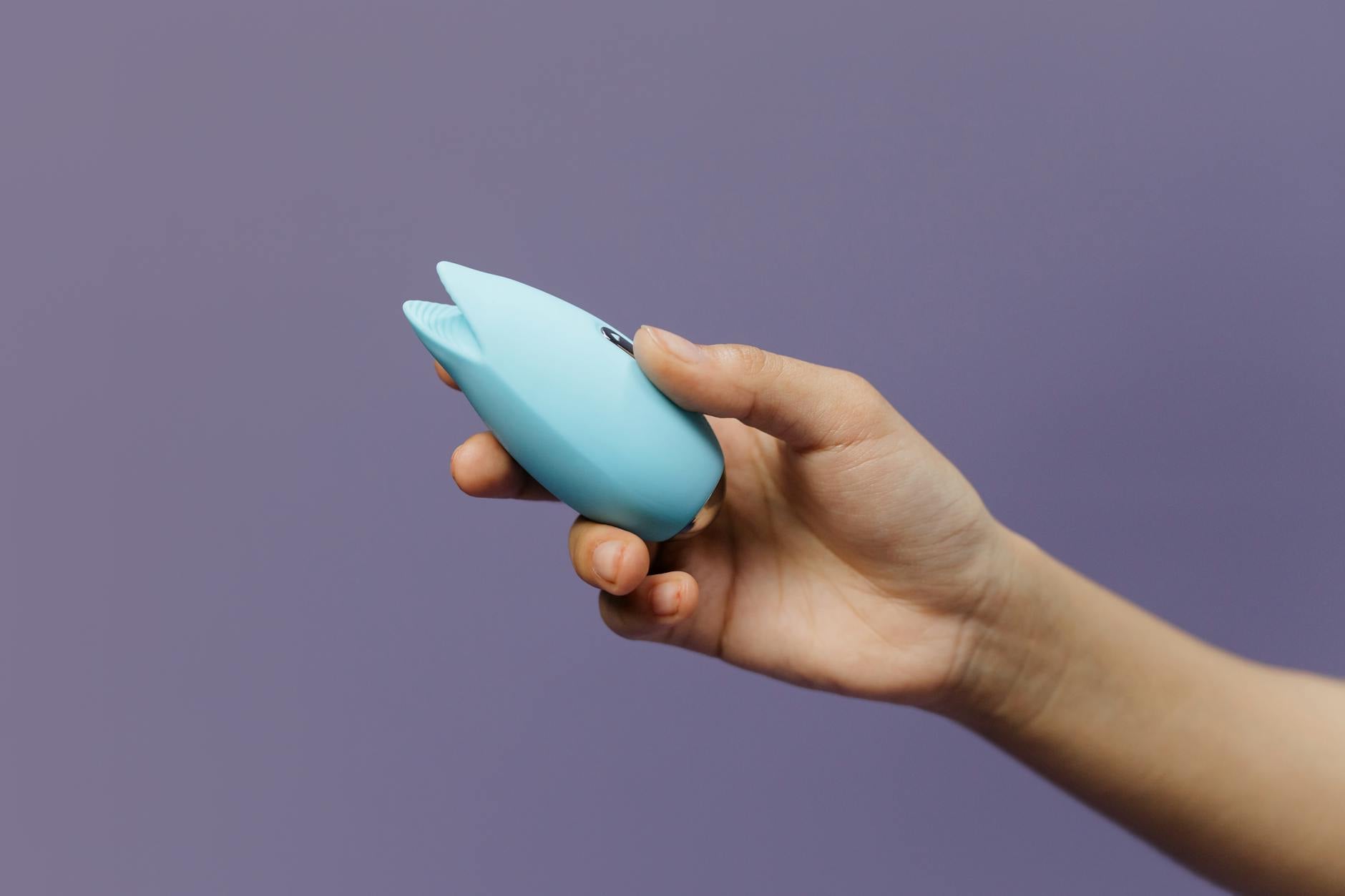
Your surgeon restricted penetration because the vaginal canal, cervix, or deep pelvic structures needed to heal without mechanical stress. Clitoral stimulation bypasses that entirely. The clitoris lives on the external surface. A lemon clitoral vibrator like the Lem works through gentle suction and patterns—never pushing internally, never stretching tissue, never asking your body to do anything except receive pleasure.
This matters emotionally too. Sex doesn't disappear after pelvic surgery. It transforms. For many people, rediscovering pleasure during recovery becomes a way of reclaiming their body after a medical event that felt invasive or frightening.
One note. Always confirm with your surgeon or gynecologist before starting any sexual activity, even clitoral. Recovery timelines vary wildly depending on the procedure, your age, your healing speed, and what went wrong in the first place. What's safe at week three for someone after a laparoscopic procedure might not be safe at week three after open abdominal surgery. Ask.
Timing matters. Here's the window.
Most gynecologists clear external clitoral stimulation somewhere between week 2 and week 6 post-op, depending on your procedure. If your surgery was minimally invasive (laparoscopic), you might get the green light sooner. If it was open abdominal surgery, expect to wait longer.
The rule is simple. You need to be clear of bleeding, pain should be manageable without narcotic painkillers, and you should be moving around without significant discomfort. Your surgeon should explicitly say "yes" to sexual activity, even if they're vague about what that means.
Don't rush it because you're frustrated. Pushing too hard too soon risks infection or reopening of the surgical site—and that means more time out, more medical appointments, more delay. Patience now is faster later.
Starting out with a lemon vibrator during recovery
Think of this like physical therapy. You're gently reintroducing sensation and pleasure to a body that's been through something. Your clitoris might feel numb from surgery swelling or scar tissue. It might be hypersensitive. Both are normal and both change over weeks.
Here are the practical steps.
Position matters
Lying on your back is usually safest during early recovery. It doesn't put pressure on the surgical site and lets you keep your core relaxed. Avoid positions that stretch or engage your abdominal muscles hard—no woman on top, no positions that require you to brace.
Start with the lowest setting
A lemon clitoral vibrator has multiple intensity levels. During recovery, you're not looking for the strongest sensation. You're looking for reconnection. Start at pattern 1 or the gentlest suction mode. Your nervous system is already activated by healing. Adding too much stimulation too fast can trigger pain responses that have nothing to do with your clitoris being damaged.
Keep it short
Ten to fifteen minutes is plenty for early recovery. Your pelvic floor is already working hard to support healing. You don't need to exhaust yourself chasing an orgasm. If it comes easily, great. If it doesn't, that's fine too. The point is sensation and comfort, not performance.
Use lubrication
Surgery and post-op medications can mess with natural lubrication. Water-based lubricant helps the vibrator glide smoothly and reduces friction. It's not about need—it's about comfort.
The partner conversation (if you have one)
If you're partnered, this is delicate. Your partner might feel worried that any sexual activity will set back your recovery. They might feel guilty that they want intimacy while you're healing. You might feel conflicted about whether you deserve pleasure while you're still in recovery mode.
All of those feelings are normal. But they need to be talked about separately from the physical reality.
Here's what helps. Tell your partner what your surgeon actually said, not what you think they meant. "I got medical clearance for clitoral stimulation at week four" is concrete and removes the guesswork. Then say what you want. "I'd like to explore some pleasure together" or "I want to use a vibrator solo to see how my body feels" gives them direction.
If they want to be involved, they can. If they don't, that's okay too. Plenty of people find that solo exploration during recovery actually deepens their connection with their partner because they feel more resourced and less resentful.
Common things that happen (and what they mean)
Your clitoris might feel numb or oddly distant. This often fades over weeks as surgical swelling goes down. It's not permanent.
You might feel pain or sharp sensations that aren't quite pleasure. This usually means either you're not healed enough yet or you need less intensity. Back off and try again in a few days.
Orgasms might feel different. Shallower, more scattered, harder to reach. This is normal during recovery and usually improves. The nerve pathways and blood flow are reestablishing themselves.
You might have an emotional response—tears, frustration, or unexpected joy. Your body just went through something. Using pleasure as part of your recovery activates all kinds of nervous system responses. Let them happen.
When to pause and reach out to your surgeon
Increasing pain, fresh bleeding, or discharge that changes character means stop and call your surgeon. These aren't signs you shouldn't use a vibrator. They're signs something else needs medical attention first.
If numbness hasn't improved by week twelve post-op, mention it at your follow-up appointment. Sometimes surgical swelling takes longer to resolve. Sometimes scar tissue needs attention.
Anxiety about reinjury is also real and valid. If you're terrified to use a vibrator because you're convinced it will rupture your surgical site, talking to a sex therapist who understands post-surgical recovery can genuinely help. You don't have to white-knuckle through fear.
Moving from recovery into your next chapter
Early recovery with a lemon clitoral vibrator isn't about getting back to how things were. It's about discovering what feels good now. Sometimes that's exactly the same. Sometimes it's different. Both are fine.
Most people find that clitoral pleasure gradually expands as they heal. Penetration becomes safe again. Full sexual activity resumes. But what they learned about their body during recovery—what actually felt good, what rhythm worked, what patterns lit them up—that stays.
Your body is resilient. It healed from surgery. It can also experience pleasure. Both things are true at the same time.
People also ask
How long after pelvic surgery can I use a vibrator?
It depends on your specific procedure and how you're healing. Most surgeons clear external clitoral stimulation between two to six weeks post-op. Ask your surgeon explicitly before trying anything, even solo exploration. They know your surgery and your healing progress.
Is it safe to use a lemon sucker vibrator during pelvic surgery recovery?
Clitoral suction vibrators like the Lem are often safer during recovery than traditional vibrators because they don't require direct friction. Suction stimulates nerves without mechanical pressure that could irritate sensitive post-op tissue. That said, start at the gentlest setting and get your surgeon's clearance first.
Can using a vibrator during recovery cause complications?
If you've received medical clearance and you're following the guidelines—keeping it external, starting gently, and using good lubrication—the risk is very low. The actual complication risk comes from pushing penetration too soon or ignoring pain signals. Trust your body's feedback more than your frustration.
What if my clitoris feels numb after surgery?
Surgical swelling can temporarily reduce sensation. This usually improves over weeks as the swelling goes down. In the meantime, a vibrator with variable intensity can help you gently explore sensation as it returns. If numbness is still significant at three months, mention it to your surgeon or gynecologist.
Should I explore pleasure solo or with my partner during recovery?
That's your call. Solo exploration lets you discover what feels good without worrying about your partner's experience. Shared exploration can strengthen emotional connection and communication. There's no right answer. What matters is that both people (if you have a partner) have agreed and feel safe.
Can I have an orgasm during recovery, or should I wait?
Orgasm itself doesn't damage healing tissue if you've been cleared for clitoral stimulation. Some people worry that the muscular contractions of orgasm will strain the surgical site, but that's rarely how anatomy works. Your pelvic floor might need extra support—kegel exercises and pelvic floor physical therapy help—but orgasm itself isn't dangerous. That said, if it causes sharp pain, stop and check with your surgeon.
Your body, your timeline, your pleasure
Pelvic surgery recovery is intimate, vulnerable, and weird. You're healing from an invasion. You're relearning your body. And you deserve to experience pleasure as part of that process, not after you've fully recovered.
Shop Lemon Massagers exists for exactly this. A lemon vibrator or lemon clitoral vibrator designed for sensitive situations, gentle exploration, and bodies in transition. You don't need to wait until everything feels normal again to feel good.
Start gently. Talk to your surgeon. Listen to your body. And know that pleasure is part of healing, not something you owe yourself later.