You're in bed. Your partner is trying. You're trying. And somewhere in the back of your mind, a clock is ticking. The longer it takes, the more aware you become of the waiting. The more aware you become, the further away orgasm gets. This is performance anxiety, and it's a pleasure killer.
Here's the thing nobody tells you: the pressure to orgasm on command is one of the fastest ways to make orgasms impossible. Your nervous system literally shuts down when it senses judgment, timing pressure, or the need to perform. This isn't a personal failure. It's neurobiology.
Orgasm requires what's called "parasympathetic activation." That's the relaxed, safe state of your nervous system. Pressure, timing awareness, and performance expectations activate the opposite. Your body goes into a low-level stress response. Blood flow redirects. Sensation flattens. You become a spectator in your own experience instead of a participant.
When someone is waiting for you to come, or checking their watch, or asking "are you close yet," your brain registers threat. Not danger. Threat. Your nervous system believes it needs to stay vigilant. Orgasm is incompatible with vigilance.
The second piece: many people who experience orgasm pressure eventually start faking it. Faking teaches your nervous system that real orgasms aren't as important as other people's satisfaction. Over time, this rewires what your body thinks it's supposed to do.
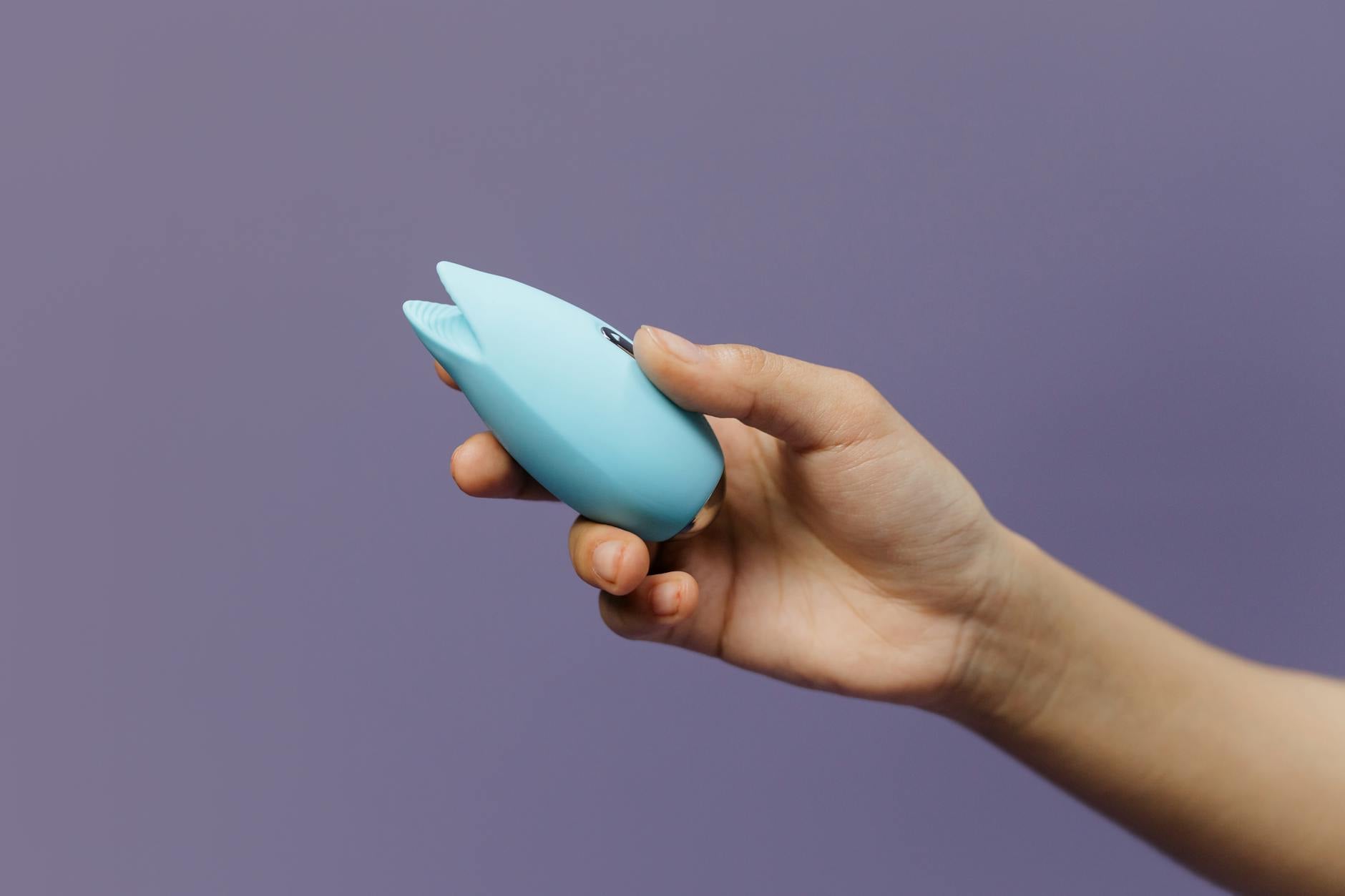
Lemon clitoral vibrators work differently than partnered sex in one critical way. They remove the social audience. There's no one waiting. No one watching your face for signs. No one checking if you're "taking too long."
When you use a device like a lemon vibrator solo, the only person in the room is you. Your body can relax into sensation without narrating the experience to someone else. This alone is transformative for people with performance anxiety.
The suction mechanism of lemon vibrators also changes how sensation arrives. Instead of direct vibration, which can feel goaloriented and intense, suction creates a sustained pulse that feels less like "getting you there" and more like a steady, building rhythm. Your nervous system settles into this rhythm without rushing toward an endpoint.
If orgasm pressure has been part of your experience for a while, your nervous system needs time to learn that pleasure without performance is possible.
Start with lemon vibrators alone. Set aside 20 to 30 minutes with no timeline. Begin with the lowest setting on the device. The goal here is not to orgasm. The goal is to notice what sensation feels good without judgment.
Many people who've experienced performance anxiety say the first few sessions feel "weird" or "wrong" because they're not used to pleasure without pressure. That's normal. Your body is relearning. Continue. Within a few sessions, most people notice their arousal building more naturally, without the mental chatter.
Use water-based lubricant. Don't skip this. Lubrication removes friction, which means your body can focus on sensation instead of discomfort. This subtle shift helps your nervous system stay parasympathetic.
One huge difference between partnered sex and solo use of clitoral vibrators is pacing. You control it entirely.
With performance pressure, people often rush toward orgasm because they feel the clock ticking. With a lemon vibrator, you can slow down. Spend five minutes on setting one. Move to setting two. Notice when your breathing changes. Notice when your attention shifts. These micro-shifts are the real arousal pattern.
Many people report that their most intense orgasms come after 20 to 40 minutes of slow, steady stimulation. This is the opposite of the rushed five-minute window that partnered sex often creates. Your body has time to build actual arousal, not simulate it.
If you find yourself still rushing, that's a sign your nervous system is still in a mild performance state. Pause. Breathe. Remember: there is no endpoint here. You're the only one in the room.
Once you've rebuilt your confidence solo with lemon vibrators, transitioning back to partnered sex requires one conversation: "I need us to remove the expectation that I'll orgasm on a schedule."
This is direct. It's also honest. Tell your partner that orgasm pressure has created a cycle where anxiety prevents arousal. Name it. This shifts the conversation from "what's wrong with you" to "here's what helps my nervous system."
Many people find that using a lemon vibrator with a partner changes the dynamic entirely. Instead of being a solo tool, it becomes part of shared exploration. Your partner can hold it, you control the pace. Or you hold it while they touch you elsewhere. This removes the "waiting for you to come" dynamic entirely.
The vibrator becomes the focus, not your orgasm. This paradoxically makes orgasm easier because no one is watching for it.
Here's permission you might need: not every session has to end in orgasm.
If you've spent 30 minutes with a lemon vibrator and nothing is building, that's information, not failure. Your nervous system might be telling you something: fatigue, hormonal timing, stress you haven't processed, or just that you're not in the mood today.
Your body is allowed to not be in the mood. Pressure thrives in the belief that you "should" be aroused. Remove the should. Pleasure without orgasm is still pleasure. Many people who've experienced pressure-related dysfunction find that removing the orgasm goal entirely is what finally allows orgasms to return.
If performance anxiety has been present for more than a few months, or if it's affecting your relationship, a sex therapist or couples counselor trained in this work is worth exploring. I work with couples regularly on this exact issue. It's treatable, it's common, and it's not your fault.
The combination of solo practice with lemon vibrators and professional support often creates the fastest shift. The vibrator teaches your body what genuine arousal feels like. The therapist helps you and your partner talk about pleasure differently.
Orgasms aren't performances. They're not deliverables. Your body's pleasure belongs to you, not to anyone else's timeline. Lemon vibrators, used solo, give your nervous system permission to remember that.
Most people notice a shift within 3 to 5 sessions, but true nervous system reset takes 2 to 4 weeks of consistent practice. Your body is relearning that it's safe to relax into arousal without judgment. This isn't quick, but it's reliable. Many people report their first pressure-free orgasm within the first month.
No, but using it goal-oriented can. If you approach a lemon vibrator with the same performance mindset, expecting it to "make" you come quickly, you'll recreate the anxiety. The tool only works if you change the mental frame from "achieve" to "explore."
Completely normal. This is called "sexual dissociation." When your nervous system has spent months or years in a low-stress state during sex, it creates distance from sensation. Solo exploration with lemon vibrators, combined with breathwork, rebuilds that connection over time. Patience matters here.
Yes, eventually. Not as a secret, but as part of the healing conversation. "I'm working on anxiety around performance. I'm using this tool solo to rebuild confidence." This frames it as problem-solving, not rejection. Many partners find it a relief because it removes the pressure on them too.
This is actually the most common version. Internal pressure, internalized expectations, socialized beliefs about what "good" sex should look like. Lemon vibrators still help, but adding self-compassion is critical. When you notice the internal voice saying "hurry up" or "you're taking too long," pause and remind yourself: there is no timeline here. You're the only audience.
Yes. Many people experience both simultaneously. The suction mechanism of lemon vibrators is gentler than traditional vibration, which helps low-sensation issues. The low-pressure environment helps anxiety. Using one solo, on the lowest settings, addresses both layers at once.