Here's the thing about new relationships and pleasure
You've probably waited to see if this person is worth trusting. Now you're wondering whether they're worth trusting with the fact that you need help getting there. Bringing a clitoral vibrator into early-stage intimacy feels risky in a way it shouldn't, but that doesn't make the feeling less real. The fear isn't usually about the toy itself. It's about whether introducing it signals something wrong with you, or worse, with what the two of you have together.
Let me be direct: it signals neither. What it actually signals is that you know your body well enough to ask for what you need. That's attractive. That's the opposite of a red flag.
The self-consciousness is almost never about the vibrator
It's about vulnerability. You're new enough that you're still managing your image. You're showing someone your unfiltered desire, and that requires a level of trust that takes time to build. Add the fact that many of us grew up absorbing messages about vibrators being "too much" or "cheating" or "admitting defeat," and suddenly a clitoral vibrator feels like evidence of inadequacy instead of a tool for pleasure.
Here's what actually happens when you introduce a lemon vibrator or any good clitoral vibrator into shared intimacy: your nervous system relaxes. Your partner gets to see you actually receiving pleasure instead of performing it. And paradoxically, that vulnerability often deepens attraction faster than any amount of perfect technique could.
The conversation before the toy
Timing matters more than the words. Don't bring this up mid-foreplay or when you're already partly undressed. That's when vulnerability feels like a trap. Instead, pick a moment when you're clothed, reasonably relaxed, and not about to have sex. Something like: "I've been thinking about something I want to try with you. I use a clitoral vibrator sometimes, and I'd like to explore that together if you're open to it."
Notice what that does: it frames it as your preference (not a criticism of them), it assumes they might be open (lowering the stakes), and it's specific enough that they know what you're talking about instead of imagining something worse.
What you might hear back:
- "I'd love that." Great. You're done. Move on.
- "Can I ask why?" Answer honestly. "I take longer to warm up" or "I orgasm more reliably this way" or "I want to explore what really works for me." All true answers. None of them are about your partner's inadequacy.
- "Does that mean I'm not enough?" This one deserves a real answer: "No. This is about me and my body. You're still central. This is just an addition, not a replacement."
If they push back hard or make you feel shame, that's information about them, not you. Hold onto that.
Why lemon vibrators work better for this particular moment
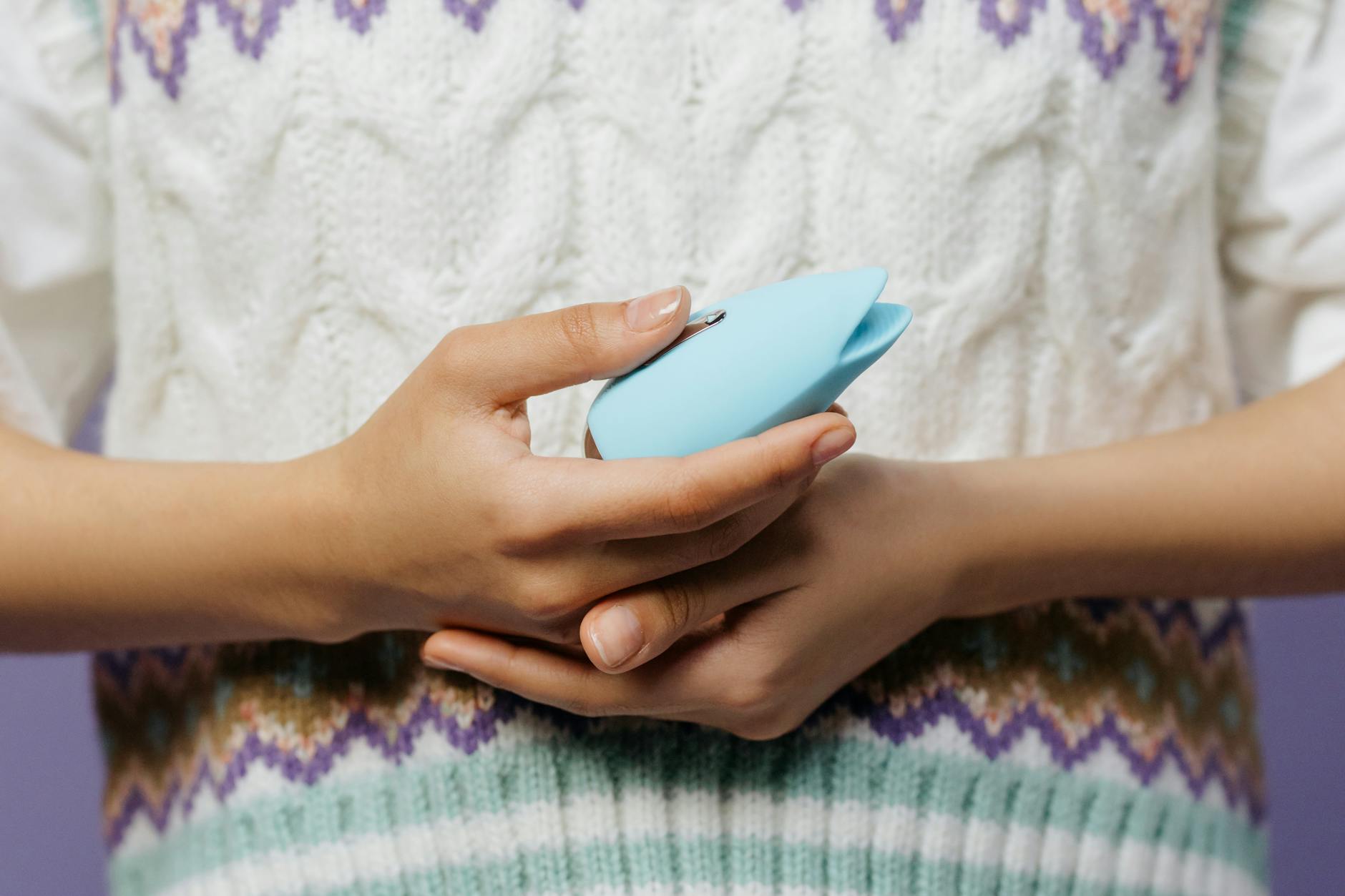
Air-suction clitoral vibrators like the Lem feel less intimidating than traditional vibrators for a few specific reasons. They're quieter, which means less performative. They're smaller and less "obvious," which can help psychologically in those early stages when you're already nervous. And mechanically, they work differently. They create a gentle suction rather than deep vibration, which means sensation builds slowly. That slow build gives both of you time to adjust mentally and emotionally to sharing this new element.
You're also not competing with penetration sensations or positioning. Suction works independently, which means you can focus entirely on what you're feeling instead of managing logistics.
How to actually introduce it the first time
Don't make it a production. Have it nearby but not visible. When you're already aroused and things are moving forward, say something casual like: "I want to show you something that really works for me." Then use it on yourself while they're close enough to watch or touch you. Not performing. Just receiving.
Let them see your face. Let them hear the shift in your breathing. When pleasure is clearly happening, most partners stop seeing the toy and start seeing you enjoying yourself. That's the moment that usually flips the dynamic from awkward to intimate.
The practical steps for the first time together
First, make sure you're genuinely aroused before introducing the vibrator. Touch, kissing, whatever gets you there. You want to already be in a state where pleasure feels achievable.Touch your clitoris directly for a few minutes first, or have your partner do that. You're signaling to your nervous system that this is safe territory.
Start at a lower intensity. If you're using a lemon clitoral vibrator with multiple settings, begin at level one or two. The goal isn't intense sensation right now. The goal is showing your partner what this looks like when you're receiving pleasure.
Keep talking, but lightly. "That feels good" or "a bit higher" or just keeping eye contact. You don't need to narrate every sensation. The point is that communication stays open and your partner can see that you're still present, still with them, not disappearing into solo pleasure.
If your nervous system is activated (heart racing, mind spinning), pause. You can come back to this. Self-consciousness often wins when we push through it. Better to stop, laugh about it, and try again in a week when you're feeling steadier.
When self-consciousness lingers even after the first time
There's a difference between first-time nervousness and deeper shame about your own pleasure. If you find yourself hiding the vibrator, using it only when they're not looking, or feeling guilty about needing it, that's a sign that something underneath needs addressing.
Sometimes this is a solo work situation. You might need to spend a few weeks using a lemon vibrator on your own, getting comfortable with your own pleasure patterns, reminding yourself that this is normal and healthy. That foundation makes sharing it with a partner infinitely easier.
Other times, it's about the relationship itself. If your partner consistently makes you feel bad about your body or your needs, a vibrator isn't going to fix that. That's a conversation for a different moment or a different partner.
The long game: pleasure becomes shared language
Here's what often happens once the initial awkwardness passes. Your partner starts to understand your body better. They learn what rhythm works, what intensity you prefer, when you need to start slow and when you want more. They stop seeing the toy as competition and start seeing it as a tool that helps them pleasure you better. And you stop seeing it as an admission of failure and start seeing it as self-knowledge.
After a few months, bringing a lemon vibrator into intimacy feels as natural as changing positions. It's just part of how the two of you communicate pleasure.The self-consciousness was temporary. The confidence that comes from knowing your body and having a partner who celebrates that? That lasts.
Common questions about vibrators and new relationships
Should I tell them before they see it or just have it ready?
Tell them first. Surprise toys have a way of making even relaxed partners feel ambushed or excluded from the decision. A quick conversation (literally 30 seconds) prevents that. "So heads up, I use a clitoral vibrator sometimes and I'd like to explore that with you" is perfectly fine.
What if they think it means they're not "enough"?
Many partners feel this initially, and it's worth addressing directly. You can say: "Using a vibrator isn't about what you're not doing. It's about what I need to feel good. Those are two different things. I want this with you, not instead of you." The distinction between physical sensation and emotional connection helps here.
Is it weird to use a vibrator while they're inside me?
Not at all. Clitoral stimulation during penetration is actually super common because the clitoris often doesn't get enough direct touch during penetrative sex. If you both want this, it's absolutely fine. Start slow, communicate, and let your body tell you if it feels good.
What if I'm wet enough or relaxed enough that I don't need it anymore once we're together?
That's genuinely possible. Your nervous system might relax around this person in a way you didn't expect. The vibrator can still be there, still be used, but maybe less frequently. That's not failure. That's adaptation.
How do I know if I'm self-conscious because of them or because of deeper stuff I carry?
Notice the difference between "I feel vulnerable sharing this with this specific person" and "I feel ashamed of my own pleasure generally." The first is usually fine and gets easier with trust. The second might benefit from some self-reflection or talking with a therapist who specializes in sexuality. Both are valid. Neither is shameful.
Can I ask them to use it on me?
Yes, absolutely. Once you're comfortable with the toy itself, handing it over and guiding them can be really intimate. You get to show them exactly what you like, and they get to be actively involved in your pleasure. That's connection.
What comes after the conversation
Your nervous system will settle. The weirdness will fade. And what often emerges is a relationship where pleasure is discussed openly, where you feel safe asking for what you need, and where your partner sees your self-knowledge as attractive rather than threatening. That foundation matters for long-term intimacy in ways that go well beyond any single toy.
Start small. Stay honest. And remember that asking for what you need isn't weakness. It's one of the most powerful things you can do in a new relationship. Visit our buying guide if you want help choosing the right clitoral vibrator for your body, or reach out at /contact if you have questions about navigating pleasure conversations.