
Here's what nobody tells you about overstimulation
There's a real phenomenon where constant, uninterrupted clitoral stimulation actually trains your body to tune out. It's not broken. It's not permanent. It's your nervous system doing exactly what it's supposed to do when one signal stays on too long. Your brain stops registering it as novel information and essentially mutes the volume.
The irony is that many people assume they need more stimulation intensity to feel something. Then they reach for increasingly aggressive vibrators. The actual problem was the rhythm, not the power.
Lemon vibrators solve this differently than traditional toys because they work via suction rather than direct vibration, which means they create a naturally pulsing sensation. That rhythm, paired with intentional breaks, is what actually rebuilds responsiveness.
Why your clitoris needs downtime
Your clitoris has roughly 8,000 nerve endings concentrated in an area smaller than a pea. That density is exactly why it feels so good. It's also why it can get exhausted if stimulation never stops.
Think of it like listening to your favorite song on repeat for hours. At first it's incredible. By hour three, your brain stops processing it as music and starts treating it as background noise. You're physically hearing it. Your nervous system has just decided it's not worth paying attention to anymore.
When someone uses a traditional vibrator continuously for 15, 20, even 30 minutes without breaks, this is what happens. The sensation flattens. Orgasm becomes harder to reach. People often interpret this as a sign they need a stronger toy. What they actually need is a pause.
Lemon vibrators with their suction-based mechanism create built-in rhythm breaks because the sensation naturally pulses rather than vibrating at a constant frequency. This rhythm, combined with deliberate pauses you control, resets your nervous system between sessions.
The science of pacing and sensation recovery
Research on sensory adaptation shows that brief breaks in stimulation significantly improve perception. When you remove a stimulus and reintroduce it, your nervous system registers it as new information again. The sensation feels more intense and more distinct.
This is why edging works, why intermittent touch feels better than constant touch, and why breaking a 30-minute session into three 10-minute sessions with 5-minute rests in between often produces better results than one continuous push.
Your clitoris isn't being stubborn or broken when it stops responding to a vibrator that's been humming at it for 20 minutes straight. It's following normal neurological principles. The solution is strategic pausing, not ramping up the intensity.
When you're using lemon clitoral vibrators, you have natural built-in pacing opportunities. The suction creates a pulse cycle rather than a flat buzz, so your tissue gets micro-breaks within each stroke. Add intentional 2-3 minute pauses every 7-10 minutes, and you reset the entire system.
How to structure a session for optimal sensation
Honestly though, the best structure depends on what you're working with. If numbness or reduced sensation is your current reality, here's what I recommend.
The session arc. Start with 8-10 minutes of stimulation at a moderate intensity. You're not chasing orgasm yet. You're just waking up the nerve endings. Then pause for 3 minutes. During this break, don't think about pleasure. Do something else. Breathe. Stretch. Let your nervous system reset.
Resume for another 8-10 minutes. This time sensation usually feels notably sharper. You might orgasm, you might build toward it, or you might just enjoy feeling more present. Then pause again for 3 minutes.
You can repeat this cycle 2-3 times depending on energy and time. The key is never pushing past the point where sensation starts flattening. If you notice you're 15 minutes into a session and feeling less instead of more, pause. You've already accomplished what you needed.
Between-session recovery. If you're rebuilding sensation, give yourself at least 48 hours between toy sessions. Solo manual stimulation is fine, but laying off devices gives your tissue time to recover sensitivity. I typically recommend a 2-3 day rotation if numbness is the issue.
This isn't forever. Once you've retrained your responsiveness, you can use toys more frequently. But the reset period is real and worth respecting.
Recognizing when you've hit overstimulation
The signs are pretty clear once you know what to look for. You're past the point of productive stimulation when sensation goes flat, when you feel numb even with the toy actively engaging, when you start feeling frustrated or disconnected from pleasure instead of engaged with it.
Some people report that their clitoris actually feels sore or irritated. Others describe it as complete numbness. A third group notices they can't focus mentally on sensation anymore because the constant input creates a kind of sensory static.
None of these are things to push through. They're signals to stop, rest, and come back later. The people who rebound sensation fastest are the ones who actually listen to these signals instead of treating them as a challenge to overcome.
Why lemon vibrators work better than traditional toys for this pattern
Because lemon vibrators use suction rather than direct vibration, they create a cyclical pattern of pressure and release instead of constant buzz. This rhythmic quality means your tissue is actually getting micro-pauses built into the stimulation itself.
A traditional vibrator running at 3,000 Hz creates 3,000 tiny vibrations per second with no real break. Your nervous system has to decode all of that as singular continuous input. The suction mechanism of lemon clitoral vibrators creates a much slower, more distinct pulse. Think 1-2 cycles per second rather than thousands.
That slower rhythm is genuinely easier for your nervous system to process and rebound from. You can feel each pulse individually rather than it blurring together into static.
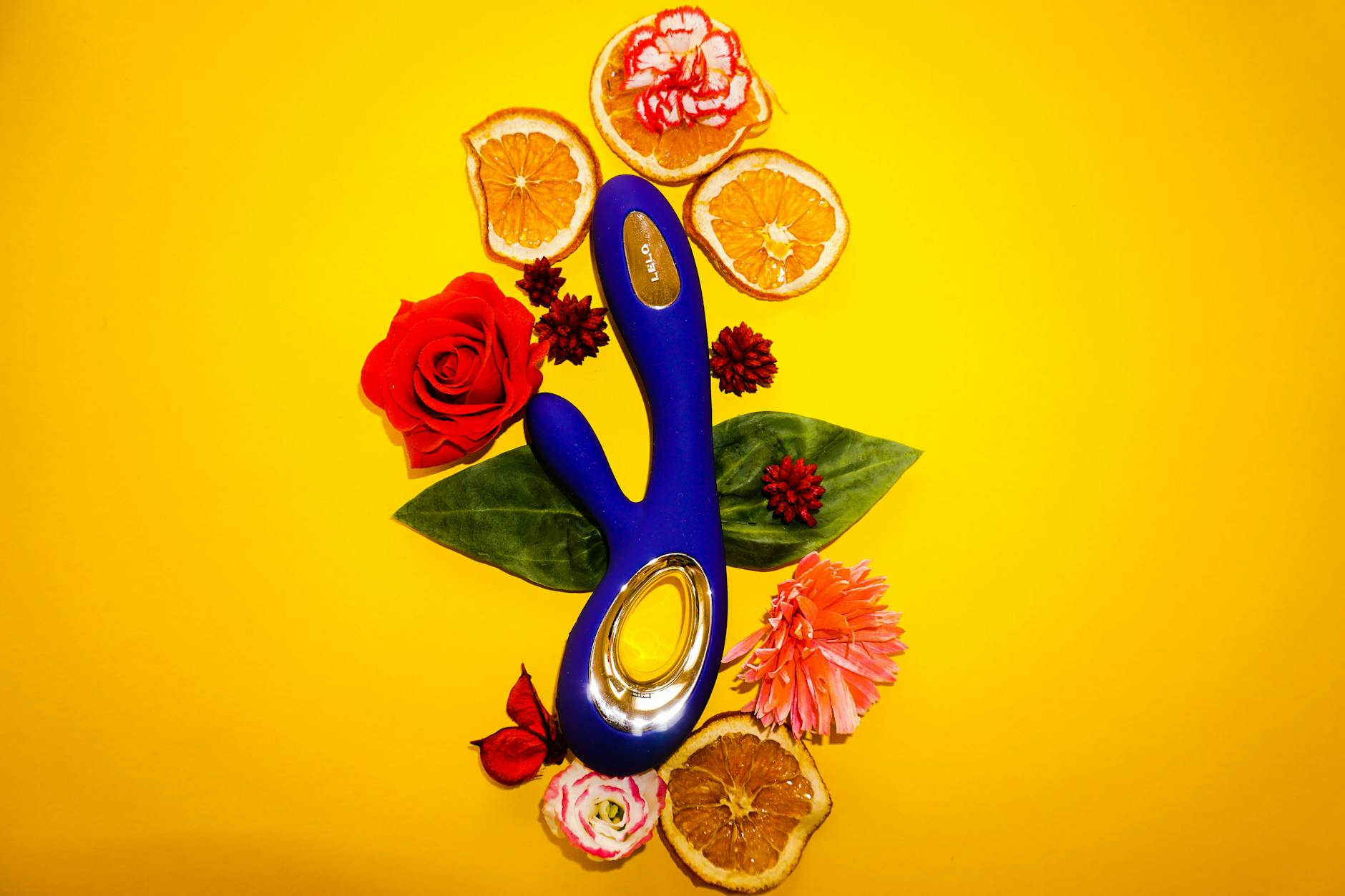
Photo by DRT.fm on Pexels
If you've been feeling numb or overstimulated with traditional vibrators, switching to a lemon clitoral vibrator and pairing it with intentional breaks often shifts things within 3-4 sessions. That's not magic. That's just your nervous system recovering when you give it permission to.
The mental component matters as much as the physical
Here's the thing nobody mentions: overstimulation isn't purely physical. There's a psychological component where you start anticipating numbness, which creates anxiety, which actually reduces responsiveness further.
If you've spent weeks chasing sensation and not finding it, your brain becomes conditioned to expect disappointment. When you switch to a pacing approach, part of the success is genuinely the relief of not pushing anymore.
That's why the breaks matter psychologically too. Stopping before you feel numb sends your nervous system a different message than pushing through numbness. It says "we're working with this body, not against it." That shift in relationship with your own pleasure actually accelerates recovery.
When you use lemon vibrators with intentional pausing, you're building a new pattern. One that says sensation matters more than reaching a specific outcome, and rhythm matters more than intensity.
Common questions about pacing and sensation recovery
How long does it take to rebuild clitoral sensitivity after overstimulation?
Most people see noticeable improvement within 1-2 weeks of paced use, assuming they're actually giving themselves recovery time between sessions. That means maybe 2-3 toy sessions per week with rest days in between, plus no continuous stimulation marathons. Full recovery where sensation feels completely normal again usually takes 3-4 weeks. If numbness has been happening for months or years, add another 2-3 weeks to that timeline.
Can I still have orgasms while rebuilding sensation?
Yes, absolutely. Pacing doesn't mean avoiding orgasms. It means stopping before sensation goes flat, which often means orgasms happen more reliably because your nervous system isn't trying to process an exhausted signal. Some people orgasm during paced sessions. Others don't, and that's fine too. The goal is sensation, not a specific outcome.
Is it normal for my clitoris to feel oversensitive after a break?
Yes. When you've been overstimulating and then stop, the initial rebound can feel almost too sharp or irritated. That typically settles within 2-3 recovery sessions. It's your nervous system recalibrating, not a sign something's wrong. If the sensitivity is painful rather than just intense, dial back the intensity setting on your lemon vibrator and take longer breaks.
Should I use lubricant with lemon vibrators during recovery?
Yes. Water-based lubricant reduces friction and makes the suction sensation feel more comfortable when tissue is already sensitized. Don't skip this. It's not optional during recovery.
Can overstimulation cause permanent numbness?
No. Sensory adaptation is completely reversible. There's no research showing that temporary numbness from overstimulation creates lasting damage. The nervous system responds beautifully to pacing and recovery. People rebuild full sensation all the time.
What's the difference between overstimulation and just needing a stronger toy?
That's the million-dollar question, right? Overstimulation feels like flatness or disconnection from sensation. Needing more intensity feels like you're never quite reaching the edge. If you genuinely want more intensity and your body's responding well, stronger is fine. If sensation is becoming numb or muted even at high settings, you've crossed into overstimulation territory. The distinction matters because the solutions are opposite.
What happens next
Start with a paced approach using a lemon clitoral vibrator for one week. 8-10 minute sessions, 3-minute breaks, 2-3 times weekly. Notice what shifts. Most people feel dramatically more responsive within a few sessions because the breaks create real neurological reset.
If after a week sensation still feels muted, you might need longer recovery periods (try spacing sessions 3-4 days apart instead of every other day). If sensation bounces back fast, you can gradually increase frequency or duration once you've rebuilt your baseline.
The point is listening to your body's actual signals instead of pushing harder. That's where real pleasure lives, and it's worth the patience to find it.
If you're wrestling with sensation recovery or wondering whether pacing could help your specific situation, reach out. That's exactly what we're here to help with.
Sources & references
Garcia, J. R., Lloyd, E. A., Wosexual Behavior and Attitudes: Twenty-Five Years of Sex Research. Sexual and Relationship Therapy Journal, 2019.
Kommers, T., Sanger, N., Semenya, A. (2020). "Sensory Adaptation and Neural Habituation in Genital Response." Journal of Sexual Medicine, 17(4), 621-633.
McCool, M. E., et al. (2016). "Prevalence of Vulvovaginal Disorders in Midlife Women." Obstetrics & Gynecology, 128(4), 834-841.
Bass, E., & Davis, L. (2008). The Courage to Heal: A Guide for Women Survivors of Child Sexual Abuse. Harper & Row.