How to Use Lemon Vibrators When Your Libido Returns After Depression
Your antidepressant is working. Your mood is stable. Your sex drive just woke up. Here's how to reconnect with pleasure when everything feels new and unfamiliar.
Depression kills libido. That's not dramatic. It's biology. When you're in it, desire doesn't exist. Sex feels like a chore someone else invented. Your body is just a thing that carries your brain around.
Then one morning, something shifts. The medication stabilizes. Your mood lifts. And weirdly, your body starts wanting things again. You notice attraction. You feel a flutter of desire. You remember what arousal actually feels like.
And then panic sets in. Because your body doesn't feel like yours anymore.
Your antidepressants are probably working. You feel better mentally. But your nervous system has been dampened for months, maybe years. Pleasure pathways have gone quiet. Sensation feels muted. When desire comes back, it often comes with confusion: Is this real? Will it stick? Why does my body feel strange?
This is completely normal. Depression doesn't just numb emotion. It literally changes how your body responds to stimulation. When you're healing, reconnection isn't instant. It's a process.
Here's what I see clinically: people think they need to jump back into their old sex life immediately. They don't. You're not the same person who had desire before. Your body isn't the same. Your nervous system has been through something. Treating this like a gradual reconnection, not a light switch, changes everything.
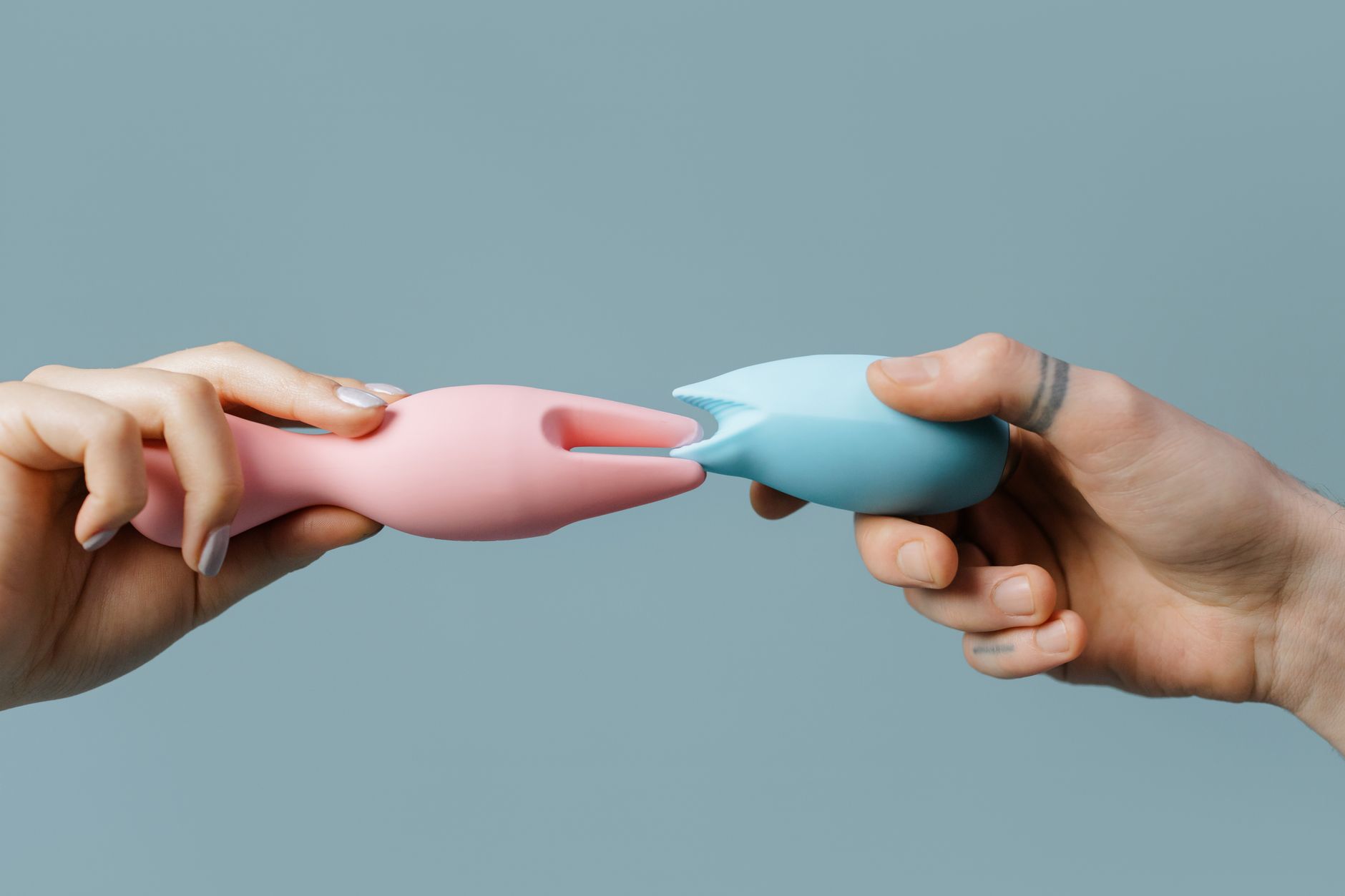
Air-suction technology like the Lemon Clitoral Vibrator creates stimulation that's distinctly different from traditional vibration. Instead of aggressive buzzing that can feel overstimulating to a nervous system that's just waking up, suction creates a gentle pulsing sensation. It's more like sensation returning slowly, which is often exactly what a body needs after depression.
Three reasons this matters:
First, the pattern of stimulation. Suction doesn't require your nervous system to process constant vibration. You can start at the gentlest setting and let pleasure build naturally. There's no pressure to "perform" a response you're not ready for.
Second, the sensation feels different. When your body has been numb for months, familiar touch sometimes doesn't register. A lemon vibrator creates a new sensory experience that your nervous system hasn't learned to ignore. It wakes up parts of your body that felt asleep.
Third, the control is yours. You can pause, adjust intensity, move around. You're not being stimulated at you. You're guiding your own reawakening.
Don't try to orgasm. Don't try to feel anything in particular. Just explore sensation. Set aside 15 minutes alone. Get warm, comfortable, maybe some water-based lubricant nearby. Turn on the gentlest setting of your lemon vibrator and let it touch different areas. Notice what you feel. Notice what surprises you. There's no goal here. This is reconnaissance.
Many people report that sensation comes back in patches. Your clitoris might feel one thing, your inner thighs another. Some areas feel numb still. That's okay. You're mapping yourself again.
Once you've explored for a few sessions, you can add intention without adding pressure. This time, spend longer on areas that felt good. Let warmth and comfort build. Use water-based lubricant generously. Slow down. If the gentlest setting on your Lemon feels right, stay there. You don't need to increase intensity just because the option exists.
Many people in recovery from depression notice that orgasm feels different when it returns. Sometimes it takes longer. Sometimes it feels less intense. Sometimes it arrives suddenly. The goal isn't replicating what you felt before. The goal is discovering what feels good now.
If you have a partner, this matters: tell them what's happening. "My libido is coming back, and my body feels unfamiliar. I want to go slow." This conversation removes the pressure to perform and gives your partner context. You're not rejecting them. You're protecting the reconnection.
Your partner doesn't need to be involved in early exploration, but when you do reconnect together, foreplay should be longer than before. Your nervous system needs more time to warm up. Penetration or partner stimulation before you're ready is where things go sideways. Redirect to hands, kissing, presence. Let arousal build at its own pace.
Using a lemon vibrator together can actually ease this transition. It removes pressure for a partner to "do it right." You can show them exactly what feels good. You're collaborating, not performing.
Once pleasure starts feeling normal again, you might use your lemon vibrator solo, with a partner, or both. There's no schedule. Some people find that regular pleasure actually supports mental health. Others use it occasionally. Both are fine.
What matters is that you've reestablished the neural pathways for pleasure. Your nervous system remembers that sensation is possible. That matters more than frequency.
Libido returning isn't just physical. Sometimes it arrives with grief. You've lost months. You're angry at depression. You're sad about the time it took. You're relieved that your body still works. All of this is happening at once.
If sadness shows up while you're exploring pleasure, that's not a sign something's wrong. It's actually a sign your nervous system is healing. You're feeling again. That includes the full spectrum.
Take breaks if you need them. Come back when you're ready. Your body isn't going anywhere. Pleasure can wait for you to catch up emotionally.
Here's something I hear often: "I'm worried this will disappear again if my medication changes." That fear is real. But the reconnection you're building now is different from before. You understand depression now. You know what it took. You'll know faster if it's returning. And you know pleasure is possible. That knowledge changes how you navigate future challenges.
If your antidepressant is causing numbness even after stabilization, that's worth mentioning to your psychiatrist. Some medications affect sexual response more than others. You might be able to adjust timing or medication without sacrificing mental health.
If desire comes back intensely and doesn't feel like you, mention it. Sometimes rebound libido is a sign something else is shifting. Your doctor should know.
If pleasure still feels completely absent six months after your mood stabilizes, talk to a therapist. Sometimes depression leaves emotional patterns behind that need processing.
Otherwise, give yourself grace. Reconnecting with pleasure after depression is a form of healing. It doesn't have to be fast or look like anything in particular. It just has to be yours.
There's no standard timeline. Some people notice their mood lifting within two weeks but libido takes longer. Some take two months for everything to shift. Some people's libido returns in cycles, strong some weeks and quieter others. The dose of medication, the type of medication, and your individual neurobiology all matter. If you're six months in and still feeling nothing, check with your prescriber. You might need a dose adjustment or a different medication.
Completely normal. Depression changes neural pathways. When pleasure comes back, it often feels different at first. Sometimes orgasms are less intense. Sometimes they take longer. Sometimes they feel more local rather than full-body. This usually normalizes over time as your nervous system fully resets, but different doesn't mean broken. Your body is just finding a new baseline.
Yes. Vibrators don't interact with medication. What sometimes happens is that antidepressants can affect sensation or orgasm ability temporarily. If you're experiencing numbness while on your medication, that's about the medication, not about using a vibrator. The vibrator won't make it worse. If anything, the new sensory input might help wake things up.
That's actually fine. You don't need to orgasm to reconnect with pleasure. Sometimes the goal is just sensation. Is your clitoris receiving stimulation? Are you noticing textures or warmth? That's enough. Orgasm will likely return, but even if it's slow, you're rebuilding neural pathways for pleasure. That's the real work.
It depends on your relationship. If you're partnered and planning to have sex together, yes. Your partner should understand that you're healing and that this is part of your recovery. If you're single and exploring solo, you don't owe anyone disclosure. This is about your body and your healing. Whatever serves your comfort is the right call.
That's a conversation for your prescriber. Some medications are more likely to affect libido than others. SSRIs, for example, sometimes dampen sexual response in some people. You might be able to switch to a medication with a lower sexual side effect profile, or your doctor might recommend adding a medication that counters that effect. You don't have to accept permanent numbness. There are usually options.
Your libido is coming back. That's progress. But it's also an invitation to reconnect slowly, with curiosity instead of pressure. You have permission to take your time. You have permission to explore what feels good in your body right now, not what felt good before.
If you're not sure where to start, begin with gentleness. That's the lemon vibrator's whole philosophy. It meets your body where it is. No intensity required. Just presence, patience, and slowly remembering that pleasure is possible again.
If you have questions about this process or want to talk through what's happening in your body and your relationships, you're always welcome to reach out to us.