
The silence after you mention it
You brought it up. Maybe casually. Maybe after weeks of thinking about it. And they said no. Or they didn't say no exactly, but the shift happened. A quiet "I don't think we need that" or "Isn't that weird?" or the worst one: "Why aren't I enough?"
Now you're stuck between wanting something for yourself and not wanting to hurt someone you love. This is one of the most common relationship tensions I see in my practice, and it's almost never about the toy itself.
Why partners resist (and it's rarely what you think)
When someone says they don't want you using a vibrator, they're usually not worried about the plastic. They're worried about three things:
Replacement anxiety. Deep down, they're afraid a toy will become your preferred partner. That you'll need them less. This is rarely about logic. It's about a fundamental insecurity that the toy somehow proves they're inadequate.
Loss of novelty. Some partners worry that if you have an orgasm solo with a vibrator, sex with them becomes redundant. You already got what you wanted alone. Why would you need them?
Shame by association. This is the quieter one. Sometimes a partner resists because they've absorbed cultural messaging that wanting sex toys means something is wrong with the relationship, or with their partner's sexuality. Accepting the toy means accepting that message.
None of these are actually true. But they feel true, which is the problem.
The conversation that changes things
Here's what I tell couples in this situation.
First, don't frame it as a request for permission. Say it like this instead: "I want to explore solo pleasure more. I'm thinking about using a clitoral vibrator sometimes. This isn't about you or us. It's about getting to know my own body better."
Notice what's different there. You're not saying "I want you to let me." You're stating what you're doing. You're also separating solo pleasure from partnered sex explicitly, which defuses the replacement anxiety before it takes hold.
Then give them space to feel whatever they feel. Don't convince them in the moment. Let them sit with it. Often, resistance softens when someone realizes you're not asking them to participate or even watch. You're just asking for privacy to explore your own pleasure.
What to say if they push back:
"I understand this feels new. But my pleasure matters to me, and exploring that alone doesn't change how I feel about you or us. It actually helps me understand what I like, which makes our sex better, not worse."
That last part is true. Research confirms it. People who have solo pleasure practices often report deeper satisfaction in partnered sex because they know their own bodies.
How to actually use a lemon vibrator when they're uncomfortable
Once you've had the conversation, boundaries become your best tool.
Use it when they're not around. Period. Not as punishment to them, but as respect. If they're not ready to see it, don't push that particular visual. This buys them time to adjust to the concept without the activation energy of watching it.
Don't announce it or hide it. The middle ground is matter-of-fact. You use your lemon clitoral vibrator the same way you'd use a vibrating face mask. It's a tool for pleasure. Not shameful. Not hidden. Just yours.
Keep it physically separate from partnered sex. This is crucial. If they see the vibrator appearing during moments you're together, their anxiety will spike. Use it solo, in private. When you're with your partner, that's partnered time. The separation actually teaches your brain (and theirs) that these are different things.
If your partner ever becomes curious or interested later, you can explore that. But starting with rigid boundaries gives them the safety to eventually become comfortable.
What to do if resistance hardens into resentment
Here's where I have to be honest: if someone refuses to budge on this after a genuine conversation, you're looking at a deeper issue.
Some partners have such fragile egos that your solo pleasure feels like a personal attack. That's not about the toy. That's about control. And control in a relationship usually shows up elsewhere too—in money decisions, in social time, in what you wear, in how you spend your body's energy.
If you notice the toy resistance is part of a larger pattern where your autonomy gets questioned or restricted, that's worth exploring with a therapist, possibly together. A healthy partner wants you to feel good, even if it takes them time to adjust to the idea.
But many partners just need time. Weeks, sometimes months. The resistance often melts once they realize you're still choosing them for sex, that you're not comparing them to a lemon vibrator, and that your pleasure matters—not instead of theirs, but alongside theirs.
Why solo practice actually strengthens partnered sex
This is the plot twist that often shifts the conversation.
When you know what brings you pleasure solo, you can ask for it partnered. You're not guessing. You're not performing. You're directing. That clarity—"I need more time to warm up" or "This rhythm works better for me"—makes partnered sex more satisfying for both people.
Your partner gets to be part of your pleasure in a new way. Instead of trying to read your mind, they get to follow your lead. That's actually more intimate, not less.
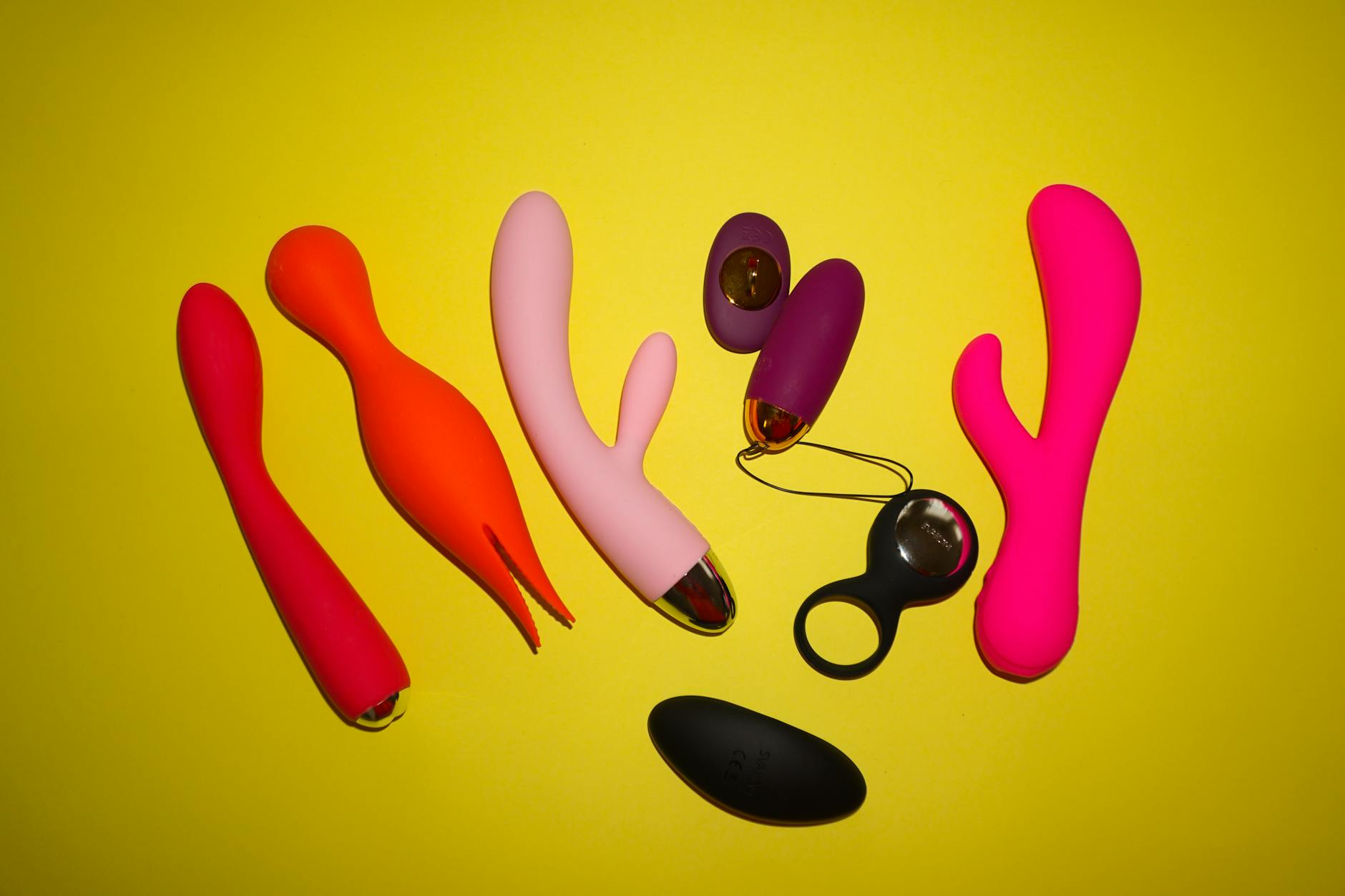
Photo by DRT.fm on Pexels
The small-steps approach if they're willing to budge
If your partner is resistant but not hostile, here's how I guide couples through it:
Step 1: Use the vibrator solo, privately, for a few weeks. Don't mention it. Don't perform it. Just integrate it into your normal routine.
Step 2: After they've had time to adjust conceptually, mention it casually in conversation. "I've been using a clitoral vibrator solo, and it's really helping me understand what I like." No big reveal. Just information.
Step 3: If they show curiosity, describe how it works. Not seductively. Just factually. "It uses suction instead of vibration. It feels different, more focused." Let them ask questions if they want.
Step 4: Only if they express interest, show them the actual toy. Let them hold it, examine it, ask questions. Demystify it.
Step 5: Far in the future, if they want to incorporate it into partnered sex, you can explore that together. But this is optional and should come entirely from their curiosity, not your coaxing.
Most partners never make it past step 3 or 4. And that's fine. The goal isn't to get them using the toy. The goal is to get them comfortable enough that your solo practice doesn't become a relationship fracture.
When it's worth reconsidering the relationship entirely
I want to be direct here because this matters.
If your partner's resistance to you exploring solo pleasure comes packaged with controlling behavior, criticism of your body, jealousy about your friendships, or monitoring of your time, the vibrator is not the real issue. That's your sign that the relationship has deeper problems.
A partner who truly loves you wants you to feel good. They might need time to adjust. They might feel insecure. But they should eventually move toward acceptance, even if they never participate.
If they're using it as a wedge to control what you do with your body, or as proof that you're "selfish" or "not satisfied" with them, that's a yellow flag at minimum.
Solo pleasure is your right. Your body is yours. A lemon vibrator or any clitoral vibrator is a tool for that autonomy. The right partner supports it, even if it takes adjustment.
What comes after the conversation
Once you've had this discussion and established boundaries, the anxiety usually fades for both of you. Your partner realizes the vibrator didn't destroy anything. You get to explore your pleasure without guilt. Sex often gets better because you're less resentful, and they're less threatened.
The path forward is patience, honesty, and the willingness to let them come around at their own pace. Sometimes they will. Sometimes they won't. But at least you'll know you tried to build understanding instead of sneaking around or sacrificing something you wanted.
Your pleasure matters. So does the relationship. They can coexist.
People also ask
Can I use a lemon vibrator even if my partner doesn't want me to?
Yes. Your body is yours. That said, doing it secretly usually damages trust more than having an honest conversation first. The talk is harder in the moment, but it creates less resentment long-term. If your partner is controlling about what you do with your own body, that's a separate problem worth addressing.
Will using a lemon clitoral vibrator solo make me want my partner less?
No. Research shows the opposite. People who explore solo pleasure report greater satisfaction in partnered sex because they know what they like and can communicate it. You're not replacing your partner. You're learning your own body so you can be a better partner too.
How do I bring up vibrators to a partner who's very conservative about sex?
Keep it practical and low-pressure. "I've read that using a vibrator solo can help people understand their own pleasure better. I'm thinking about trying it. I wanted to let you know." Separate it from your partnered sex. Emphasize it's about self-knowledge, not about anything being wrong with your relationship.
What if they say using a lemon vibrator means I don't really love them?
That's a red flag. Love and solo pleasure are not mutually exclusive. You can love someone deeply and still want to explore your own body. If they're using shame or guilt to control what you do alone, that's worth examining with a therapist. A healthy partner doesn't weaponize love to control your autonomy.
Can I introduce a lemon sexual toy during sex even if they said no?
No. That would violate the boundary they set and breach the trust from your conversation. If you want to use a toy during partnered sex, that's a separate conversation that needs consent. Stick to your agreement about solo use, and revisit the partnered piece only if they express interest later.
How long does it usually take a partner to accept you using clitoral vibrators?
It varies. Some partners adjust in weeks. Others take months. Some never fully come around, but they stop resisting. The timeline depends on their own insecurities and how secure they feel in the relationship overall. Patience and consistency help. So does reminding them that this is about you, not them.
If you're stuck in this conversation or need support navigating a larger relationship issue, reach out to us. We're here to help.