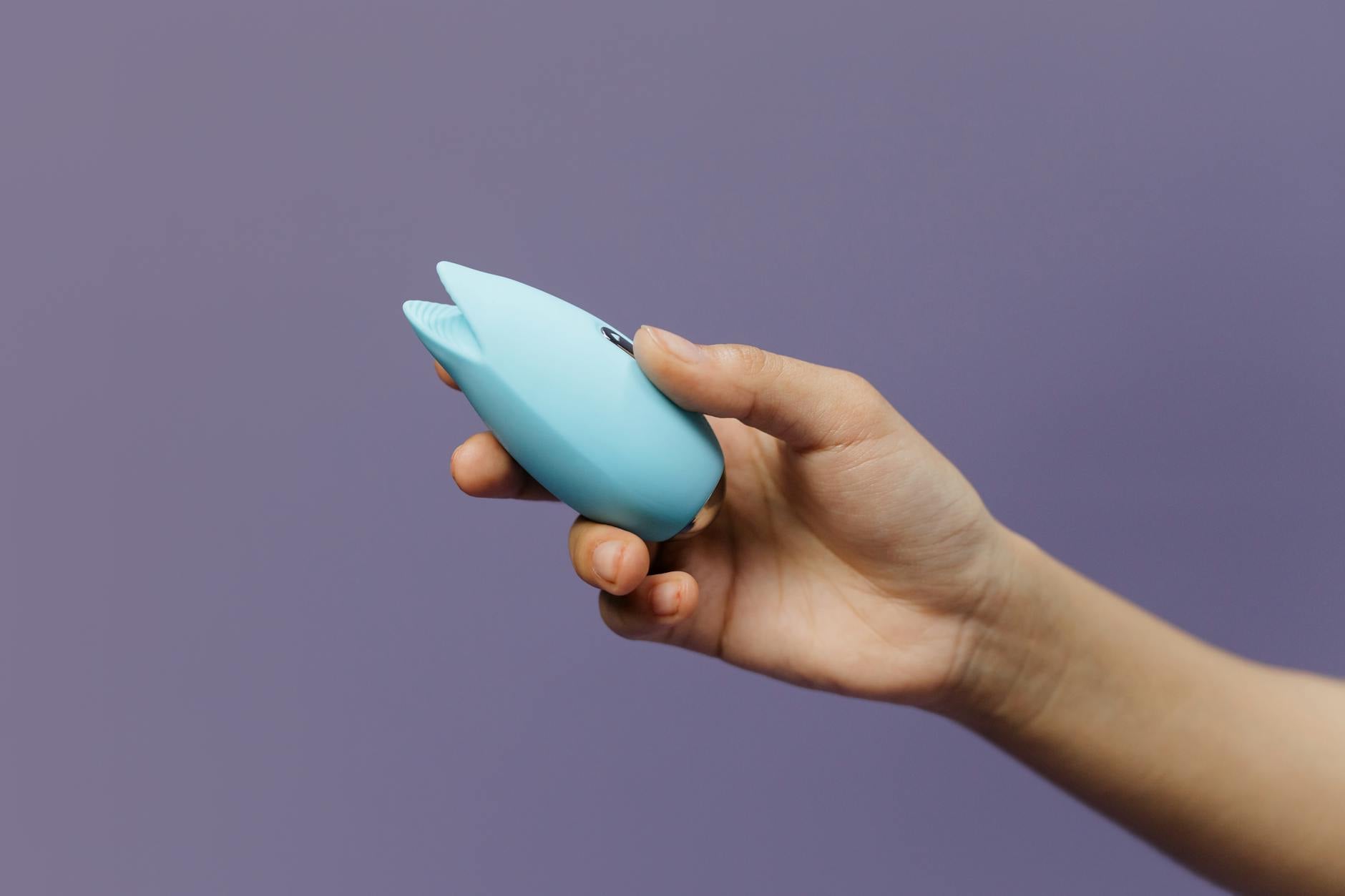
How Lemon Vibrators Compare to Traditional Vibrators for Real Pleasure
Suction feels completely different than buzzing. Here's what that difference actually means for your body, your experience, and whether you should make the switch.
Vibration moves back and forth really fast. That's it. It's direct mechanical stimulation, and for decades, it was the only option most people had. The sensation is straightforward: pressure plus repetitive motion equals arousal, sometimes intense orgasms.
Lemon clitoral vibrators use suction instead of vibration. The mechanism creates a gentle pulling sensation that stimulates the nerve endings in the clitoral tissue without direct friction. Think of it less like a buzzer and more like a soft mouth.
The suction sits over the clitoris and pulses rhythmically. No hammering. No direct contact unless you choose it. This fundamentally changes what the sensation feels like and, critically, how sustainable it is over time.
Traditional vibrators create a localized, intense buzz. You feel it right where it touches. The stimulation is constant and direct. For some bodies and some moments, that's exactly what you want. For others, it's either too much, too soon, or triggers a kind of plateauing where the sensation stops evolving.
Lemon vibrators create what I'd call a "rounded" sensation. The suction pulls rather than taps. The feeling travels through more of the tissue, not just the surface. Many people report that the sensation builds differently. Instead of hitting a peak and plateauing, the arousal continues to intensify.
This is not better or worse. It's different. And different matters because your nervous system responds to novelty. If you've been using one type of vibrator for years, your body has adapted to that specific signal. Switching to lemon sexual toys can reset that adaptation and bring back the sense of discovery.
Here's the practical difference that shows up fastest: soreness.
Traditional vibrators can cause temporary numbness or sensitivity if used for extended periods. The direct, repetitive motion creates a kind of fatigue in the nerve endings. You might feel great in the moment and then tender for hours afterward.
Lemon clitoral vibrators don't cause this nearly as often. The suction distributes stimulation more broadly across the tissue rather than concentrating it in one spot. People using lemon vibrators consistently report that they can enjoy longer sessions without that post-play soreness.
This matters for pleasure, not just comfort. If you're bracing for tenderness, you're not fully relaxed. If you're fully relaxed, everything works better.
Traditional vibrators often feel like an all-or-nothing tool. The intensity ramps quickly. You hit the button and within seconds you're at maximum sensation. Some people love that. Others find it jarring.
Lemon vibrators, especially models from Shop Lemon Massagers, typically offer more granular intensity control. You can start at a lower suction level and build. The sensation itself also feels more tunable because you can adjust your angle slightly to change how direct or diffuse the contact feels.
This control is especially valuable if you're rebuilding pleasure after numbness or if you have sensitivity concerns. A lemon clitoral vibrator lets you dial in exactly what your nervous system needs right now, rather than choosing between too much and nothing.
Traditional vibrators are loud. A buzzier vibration creates more auditory noise. That's just physics.
Lemon vibrators are quieter. The suction mechanism is inherently less noisy than a motor oscillating at high speed. This matters if you share a wall with someone, live with roommates, or just want to feel like you're not broadcasting what you're doing.
Discretion affects pleasure because shame affects pleasure. Less noise means less performance anxiety. That's real.
If you have thin vaginal tissue, recovering sensitivity after numbness, or healing from pelvic floor tension, traditional vibrators can sometimes feel too abrasive. The direct pressure and repetitive motion can trigger tension rather than release it.
Lemon vibrators, with their gentler suction mechanism, work differently on sensitive tissue. The sensation is less percussive and more integrative. That's why many people dealing with sensitivity issues gravitate toward suction-based clitoral vibrators. The technology accommodates their bodies better.
Here's something that doesn't get discussed enough: the psychological difference between using a traditional vibrator and using a lemon vibrator during partnered sex.
Traditional vibrators can feel like something separate. "You do your thing with the toy, I'll do mine." They're often used as a solo add-on.
Lemon vibrators, because of their gentler profile and the different sensation they create, tend to integrate more smoothly into partnered play. Partners report feeling more connected because the experience doesn't feel segmented. The suction sensation is less abrasive to tissues in close proximity, and the overall vibe is less clinical.
This isn't universal, but it's common enough to matter if partner comfort is part of your pleasure equation.
Let's be honest: traditional vibrators have an easier learning curve. You turn it on and something happens immediately. There's less to figure out.
Lemon clitoral vibrators require a slightly different approach. You need to angle correctly so the suction cup seals. You need to find the right intensity level for your tissue. The first time might feel confusing or overstimulating if you go too high.
But this learning curve is brief. Most people figure it out within 2-3 uses. And that initial investment in learning often pays off because the sensation, once you dial it in, feels significantly different and often better.
Lemon vibrators typically cost more than entry-level traditional vibrators. Shop Lemon Massagers' clitoral vibrators are a real investment. But they're also engineered differently, with better batteries, more durable materials, and design that anticipates wear patterns.
Many people who switch from cheaper traditional vibrators to a quality lemon vibrator find that the higher upfront cost pays for itself because the tool lasts longer and delivers better results. It's not just a toy; it's a tool that works with your body's specific needs.
Traditional vibrators work best if you want simplicity, quick intensity, or if direct clitoral stimulation is your jam and you've found a style that works.
Lemon vibrators work best if you want sustained pleasure without soreness, prefer gentler stimulation, value intensity control, or have any sensitivity issues. They're also ideal if you've hit a plateau with traditional toys and want to reset your nervous system's response.
The honest answer is that many people end up using both. A lemon vibrator for longer sessions where you want to build gradually. A traditional vibrator for quickies where you want immediate intensity. Your pleasure isn't either/or. It's whatever serves you in that specific moment.
If you're considering switching to a lemon clitoral vibrator, start with a lower intensity setting and give yourself time to adjust. Your body will let you know what it prefers. And here's the thing: preference can shift. What works at 25 might not work at 45. What worked last month might not work this month. That's not a flaw in you or the tool. That's your body asking for something different. Listen to it.
No. Better is personal. Suction and vibration activate your nervous system differently. Some bodies respond more readily to suction. Others prefer vibration. The "better" tool is the one that creates sustainable pleasure without numbness, soreness, or frustration for your specific body. That's why testing both matters.
Yes, absolutely. Your body will adapt. Start at a lower intensity setting because suction can feel quite different and potentially overwhelming if you jump straight to maximum. Give yourself 3-4 sessions to adjust before deciding if it's right for you. Many people find the sensation builds in intensity in a way that feels more natural than traditional vibration.
Probably, yes. Different almost always feels weird initially. That's not a sign it's wrong. It's a sign your nervous system is encountering a new sensation pattern. Weird usually becomes interesting by session three. If it stays uncomfortable rather than just unfamiliar, that's different, and you might want to troubleshoot the seal or intensity level.
Lemon vibrators tend to integrate more smoothly into partnered play because they're gentler and less abrasive. The sensation for a partner in close proximity is less overwhelming. That said, communication matters more than the tool. Talk with your partner about what you both want before introducing anything new. The best toy is the one you're both enthusiastic about using.
Often yes, and sometimes better than traditional vibrators. The suction mechanism stimulates nerves differently than direct vibration. Many people rebuilding sensation after medication side effects find that lemon clitoral vibrators help reset their responsiveness. That said, numbness from medication is complicated. If you're dealing with this, rebuilding pleasure after numbing medications is worth exploring more deeply.
Yes. Lemon vibrators are significantly quieter than traditional vibrators. The suction mechanism is much less noisy. That said, any toy requires a little privacy. If discretion is important to you, a lemon vibrator is a better choice than most traditional options.
Lower the intensity immediately. This is the most common first-time issue. Suction can feel intense even at lower settings because the sensation distributes differently than vibration. Start at setting 1 or 2, not 5. Build from there. You can always go higher. You can't un-overstimulate in the moment.
The comparison between lemon vibrators and traditional vibrators isn't about one being objectively better. It's about understanding how different technologies work and choosing the one that aligns with your body, your needs, and your pleasure goals.
If you're curious about exploring beyond traditional vibration, that curiosity is worth honoring. Your body has spent years adapting to whatever tools you've been using. Trying something different isn't restless. It's attentive. And attention to what actually works for you is the foundation of sustainable, deep pleasure.
Ready to explore? Start slow. Listen to your body. Adjust as you go. The best tool is the one that makes you feel good, not the one that's supposed to theoretically work better. That's not settling. That's wisdom.