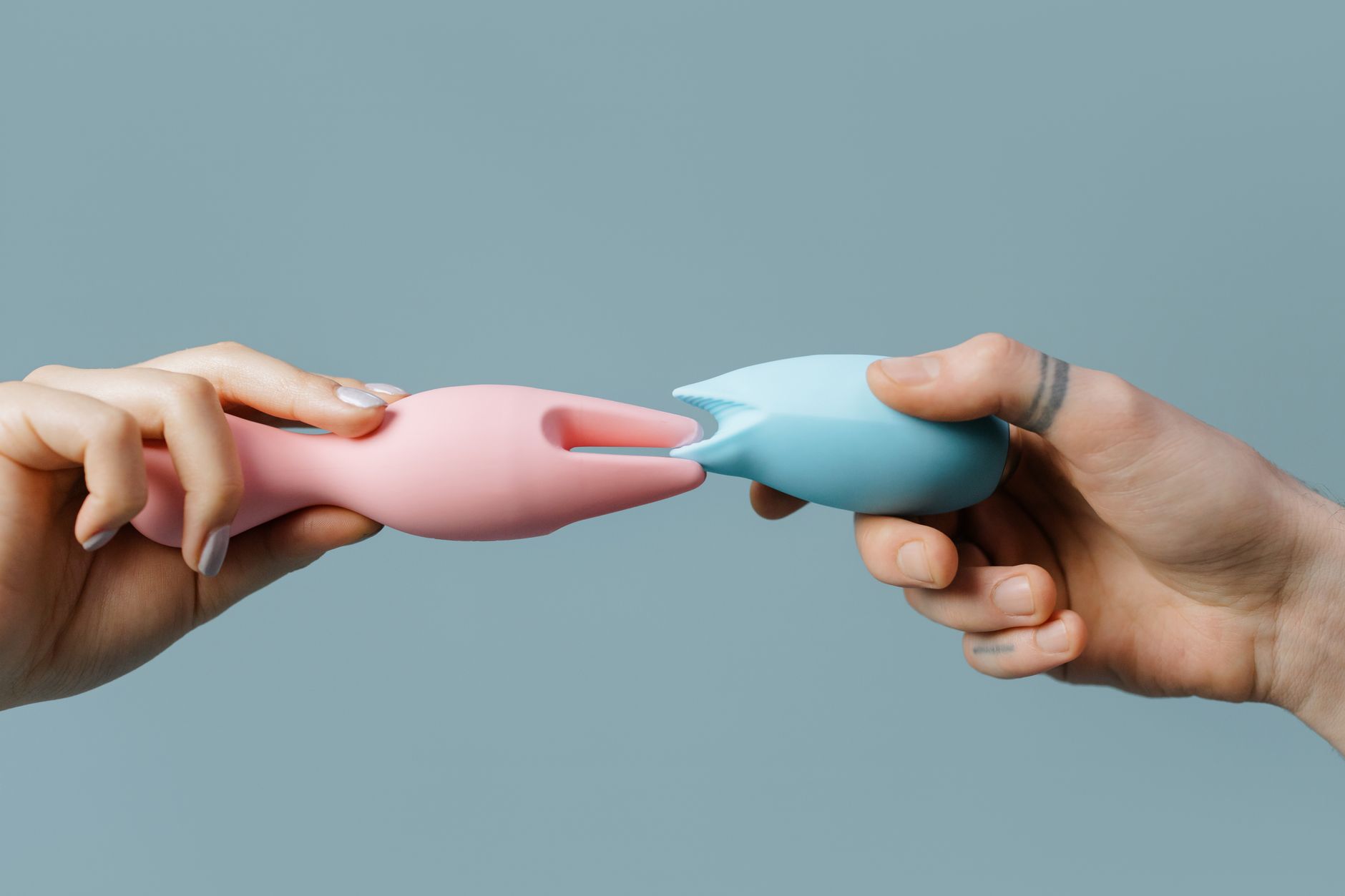
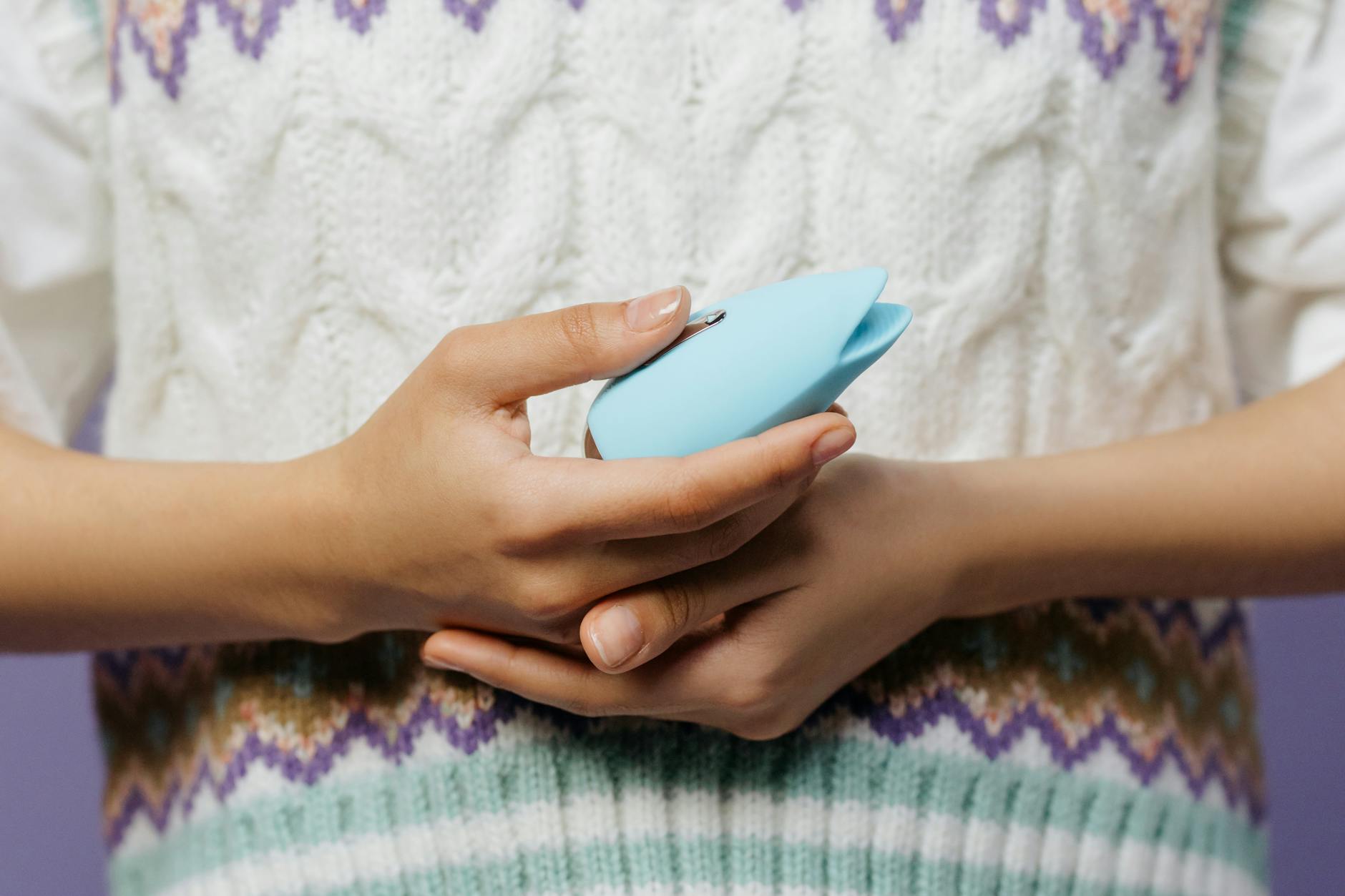
How to Use a Lemon Vibrator With a New Partner Who Doesn't Know You Use Toys
That awkward moment when you realize you need to tell them. Here's the script, the timing, and how to frame it so it feels like an invitation, not a confession.
Let's be real. You've been using a lemon vibrator for months, maybe years. You know your body, you know what works, and you know what you enjoy. Then someone new enters the picture, and suddenly you're faced with a choice: hide it, or introduce it.
Most people choose to hide it at first. That's the natural impulse, and it's worth examining why. You're not ashamed of your body or your pleasure. But introducing a toy to someone you're newly intimate with feels like it could shift something. It could look like you're not satisfied with them. It could feel too vulnerable too soon. It could derail the whole thing before it starts.
Here's the thing though: keeping it secret usually feels worse. Secret boxes under the bed, frantic rearranging when they're coming over, the low-level anxiety every time they might find something. That's its own kind of intimacy killer.
Timing is everything. The best moment to introduce a lemon vibrator isn't six months in when you're trying to spice things up. It's not hidden in the middle of sex when you're hoping they won't notice. It's before either of those moments, in a neutral conversation about what you both like.
Early conversations about pleasure preferences feel awkward, sure. But they're actually a form of intimacy building, not a threat to it. You're saying: I trust you enough to tell you the truth about what I need. I want us to know each other fully. That's a powerful message.
Partners who react badly to this information were probably going to react badly to other honest conversations too. Better to know now.
"I have something I need to tell you." (Sounds like a confession.)
"I hope this doesn't weird you out." (Plants the idea that it should.)
"You might think it's strange, but..." (Again, priming them to judge.)
"I've been using this for a while." (Sounds secretive.)
Instead, try one of these:
The straightforward angle: "I want to tell you something about what I enjoy sexually. I use a clitoral vibrator because it helps me orgasm, and I love that about myself. I'd like to keep using it when we're together, and I'd love to know if that works for you or if you have questions."
The inclusive angle: "I'm really enjoying exploring pleasure together. There's something I use sometimes that I want to be honest about. It's a lemon vibrator. I thought you'd want to know rather than discovering it later."
The collaborative angle: "I want us to have great sex. Part of that for me is knowing my body really well. I use a clitoral vibrator regularly, and I've found it makes me feel more connected to myself. I want to integrate that into what we do together if you're open to it."
Notice what these have in common: they're positive, they're direct, they normalize the toy, and they invite dialogue instead of demanding acceptance.
Some partners will be relieved. They've been wondering why you don't orgasm more easily, or they've felt pressure to be your only source of pleasure. A lemon vibrator removes that pressure. That's genuinely good news to them.
Some will be curious. They'll want to know how it works, why suction feels different from vibration, whether they can use it on you together. Answer honestly. If you haven't thought about that yet, it's fine to say so.
Some will feel insecure, at least initially. That's normal and doesn't mean they're bad or that this won't work. It usually means they've absorbed the cultural myth that a good partner should "do it all" without help. You can address this by being clear: "This isn't about you. This is about me knowing myself. And honestly, I'd love your involvement. You could help me use it. You could learn what works for me." That reframes the toy from a replacement to a tool you're using together.
Rarely, someone will react with hostility or disgust. If that happens, that's information. That's them telling you something important about how they view your body and your autonomy. That's worth taking seriously.
Once you've had the conversation, the next step is showing them. You don't need to perform a demonstration on the first try, though some couples do and find it hot. It's also totally fine to use it solo first while they watch, or to use it together in a low-pressure way.
Here's what I'd suggest: pick a time when you're both relaxed and there's no performance pressure. Not the first time you're trying to have sex. Maybe you're fooling around and you mention it casually. "I'm going to grab my vibrator. I want you to see how I use it." Then you use it the way you normally would.
Notice what you notice about your own body. That's way more interesting than worrying about how they're reacting. When you're confident and present with your own pleasure, that's attractive. People respond to that.
If your partner wants to use the lemon vibrator on you, that's wonderful and also a conversation in itself. You know your body and your preferences better than they do. You'll need to guide them: where to position it, what intensity feels good, what patterns you like.
That guidance is not rejection. It's collaboration. You're literally teaching them how to bring you pleasure. Some partners find this incredibly hot. Others need a minute to adjust to the idea that they're not automatically the expert on your body.
What you're doing here is the opposite of performance. You're saying: here's what actually works for me. Help me have more of it. That's real intimacy.
Once the toy is no longer a secret, it becomes part of your sexual life like anything else. Some couples use lemon vibrators together regularly. Some use them occasionally. Some use them solo sometimes and together other times. There's no one right way.
What matters is that it's not a source of shame or anxiety. You're not hiding it. You're not sneaking it into the bathroom. You're not wondering if they know. That freedom alone usually means better sex and a stronger sense of trust between you.
"They'll think I don't need them." You don't need them the way a battery needs a charger. You want them. That's different and better. A lemon vibrator doesn't replace a partner. It gives you access to a kind of stimulation that hands alone can't replicate. Two separate things.
"What if they want to use it all the time?" That's a boundary conversation. Your toy, your body. You get to set the terms. That said, some couples find how lemon vibrators work best when your pelvic floor is tight and painful is something they enjoy exploring together. The point is you decide.
"What if they laugh or make it weird?" If someone laughs during this conversation, you have a choice about what that laugh means. It could be nervous laughter. It could be relief. It could be something else. You can ask them directly: "What's going on in your head right now?" Sometimes people laugh when they're uncertain, and that uncertainty disappears once you talk about it.
"Isn't it too soon?" There's no set timeline for honesty. Some people think it's too soon to talk about pleasure preferences at all. I think that's the trap. The sooner you establish that you can talk about what you actually want, the better your sex life will be. A lemon vibrator is just a concrete way to start that conversation.
If your partner is genuinely interested and supportive, they might even want to help you pick a toy or upgrade an existing one. That's kind of sweet. If that happens, be clear about what you're looking for. Do you want something quieter? Something with a different sensation profile? Are you curious about lemon clitoral vibrators because you've heard they work differently than wands?
Shopping for pleasure devices together can actually be a fun bonding activity. You're learning what each of you finds appealing. You're removing shame from the process. You're treating your sexuality like something normal and worth investing in.
Introducing a lemon vibrator to a new partner is really about introducing your authentic self. It's about saying: here's what I know about myself. Here's what I actually need. I want you in my life, and I also want you to know who I am fully.
That's a gift you're offering. Some people will receive it well. Some will need time. And some will surprise you with how much they appreciate the honesty and the invitation to be part of something real.
When you start becoming intimate, roughly. Before or around the time you're getting sexual. That's when pleasure preferences become relevant. You wouldn't mention it on a first coffee date. You would mention it before or shortly after the first time you're in bed together.
That's totally normal. Not everyone knows that toys like the Lem exist. You can explain it simply: "It's a vibrator that works through suction on the clitoris rather than direct vibration. It feels completely different and works really well for me." You don't need to give a technical breakdown. Just describe your experience with it.
No. A lemon vibrator is used externally on the clitoris. You're not sharing it with a partner in a way that requires barriers. You use it on your own body. If you want to keep it clean between uses, wash it with warm water and mild soap, just like you normally would.
Yes. Some couples use it during penetration because it adds clitoral stimulation while a partner is inside you. Some use it during foreplay. Some use it while a partner is using their hands or mouth on you. It depends on what feels good for everyone involved and what positions work.
Lemon vibrators are designed for external clitoral stimulation, so they're typically used by people with vulvas. That said, some people explore different kinds of stimulation. If your partner is interested in vibration or suction play, there are other toys designed for different anatomies. The conversation stays the same: what feels good, what are you curious about, what do you want to try together.
Not at all. Solo pleasure and partnered pleasure are different things. Many people continue to masturbate even when they're in coupled relationships. That's normal and healthy. Your vibrator is part of your relationship with yourself. That doesn't disappear just because someone else is in your life now.
Introducing a lemon vibrator to a new partner is awkward for about 10 minutes, and then it's just normal. You'll probably be amazed at how quickly the anxiety dissolves once you actually have the conversation. What felt like a big reveal becomes just part of who you are. That's the win right there: you get to be yourself without hiding.